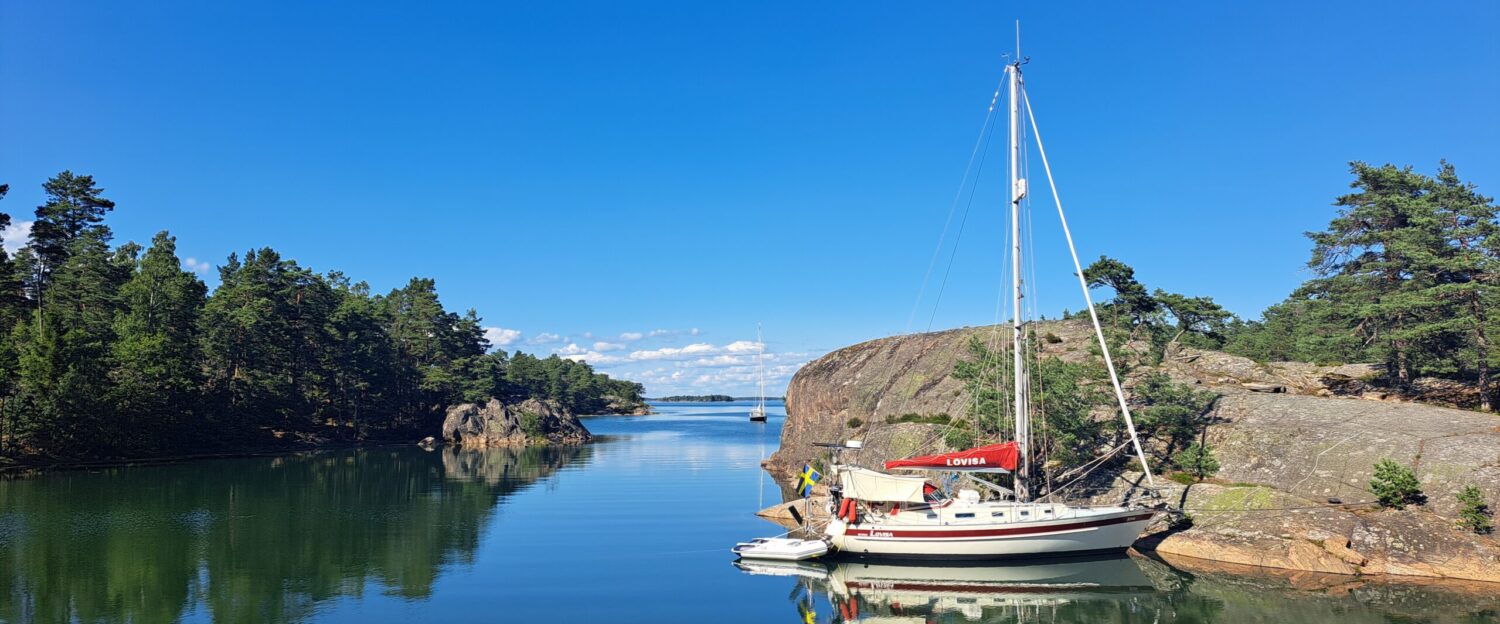
We spent a bit more than three weeks sailing and enjoying the Grenadines from the day of our arrival in Bequia on 19th December. During these weeks, we relied mostly on the food that remained from the Atlantic crossing because groceries (but not only) are particularly expensive in that area of the Caribbeans. After three weeks there was not much of the good things left. It was time to set sail toward the French island of Martinique to replenish our stock and discover a new area of the Caribbeans.
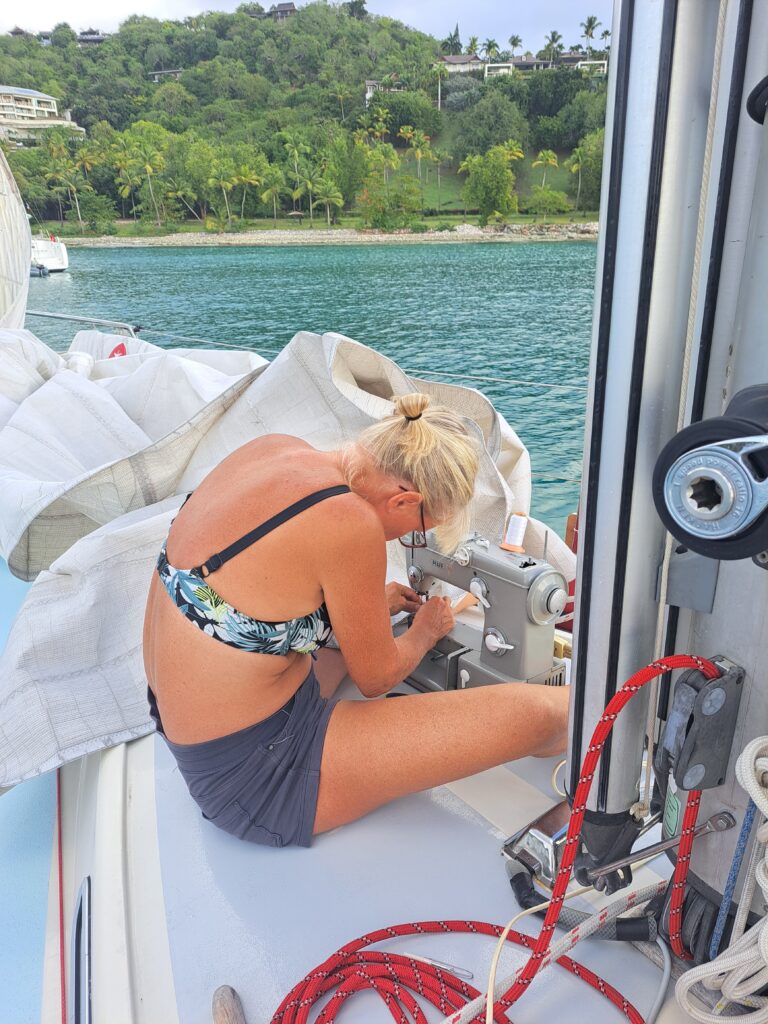
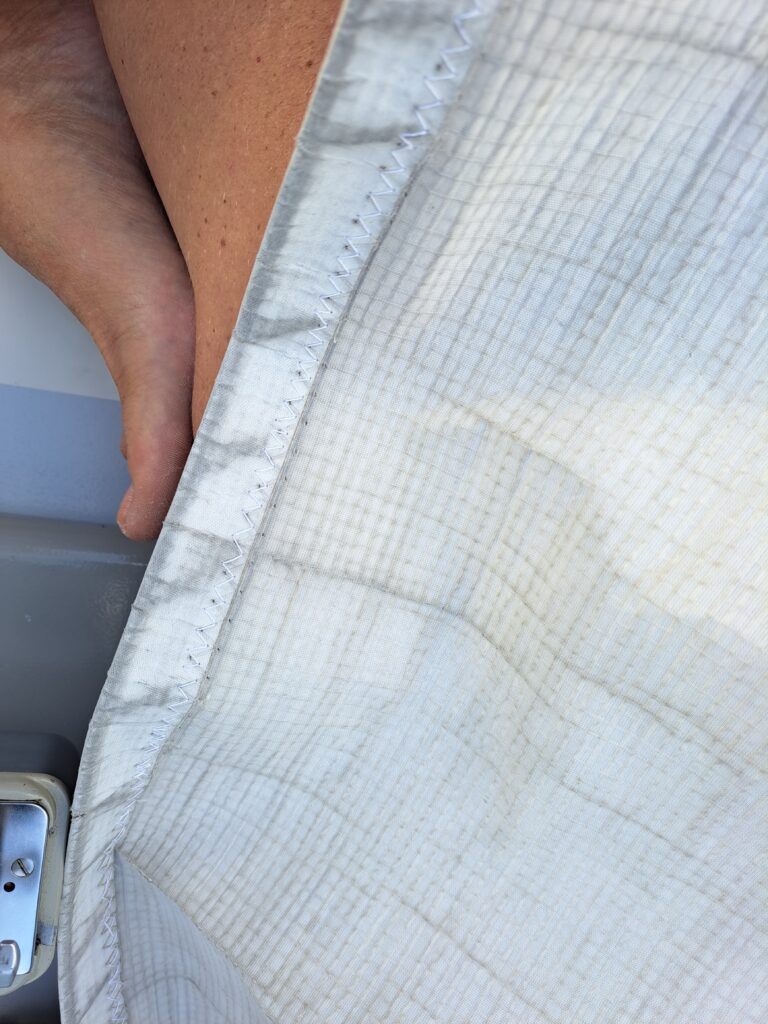
Prior to leaving we needed fixed a couple of small issues: Several seams on the trailing edge of the Genoa were broken so we dropped the Genoa on the deck, brought the sewing machine on deck and sew new seams where it was needed.
We also replaced the old check valve that is installed at the discharge of the fresh water foot pump; the valve was not tight anymore causing the pressurized fresh water to flow back through the check valve then backward through the foot pump and back to the tank. This had caused the system to depressurize and the electrical fresh water pump to start frequently to repressurize the system.
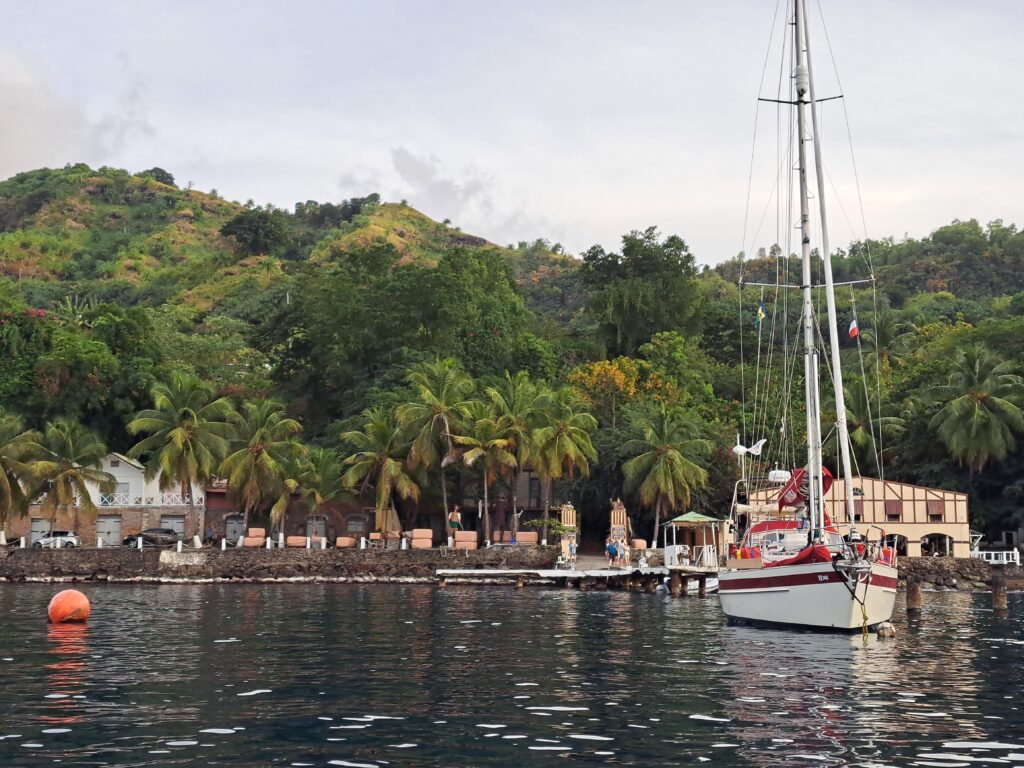
We left the island of Mustique on January 12 to head toward the main island of Saint Vincent for a first stop and overnight in Wallilabou Bay where we also cleared departure from Saint Vincent and the Grenadines. Wallilabou Bay became famous after the film “Pirates of the Caribbeans – The Curse of the Black Pearl”. The location was used as a stage to register some of the scenes of the movie. One of them is the iconic scene of the arrival of Jack Sparrow to “Port Royal” on a sinking sailboat.
The mooring in Wallilabou is a little bit unusual compared with what we experienced until then, because the bay is quite deep and narrow. Free anchoring would require to drop a lot of chain and sailboats would need to leave a lot of swing room between each other to avoid collision. The result would be that just a few boats would be able to anchor. Instead, we took one of the few available mooring buoys that we connected to the bow of the boat and got help from local folks to tie the stern to the old jetty or what is left of it. Other sailboats chose the other solution to drop the anchor around 70m from the beach and tie the stern of the boat to a tree onshore to prevent the boat from swinging.
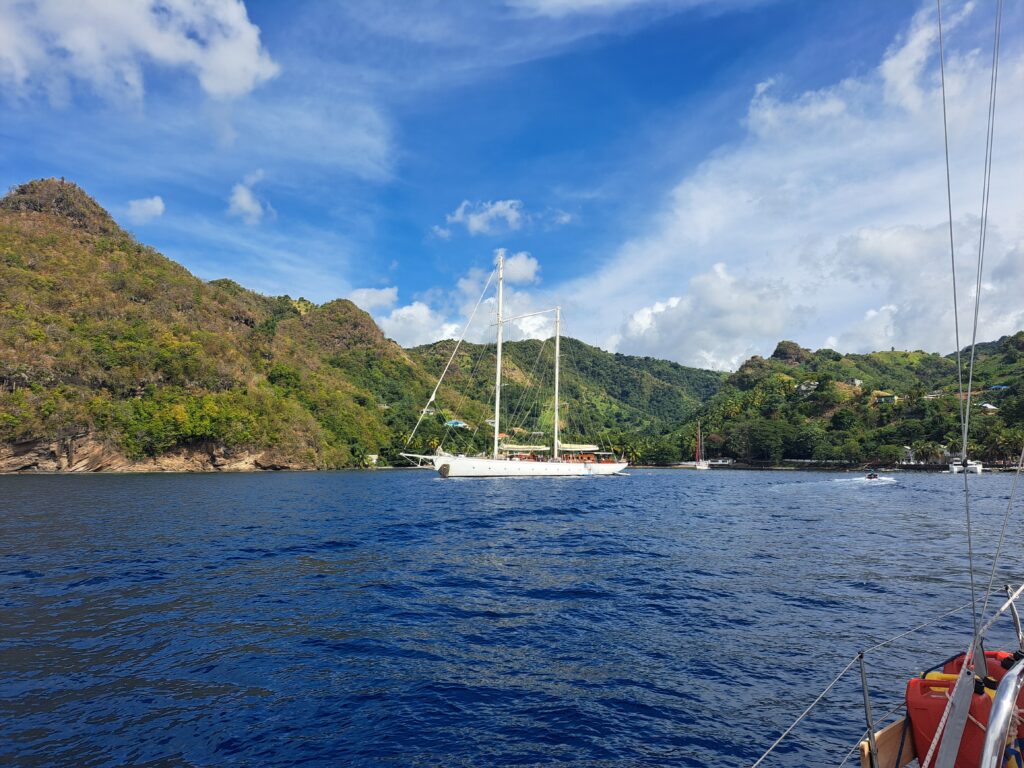
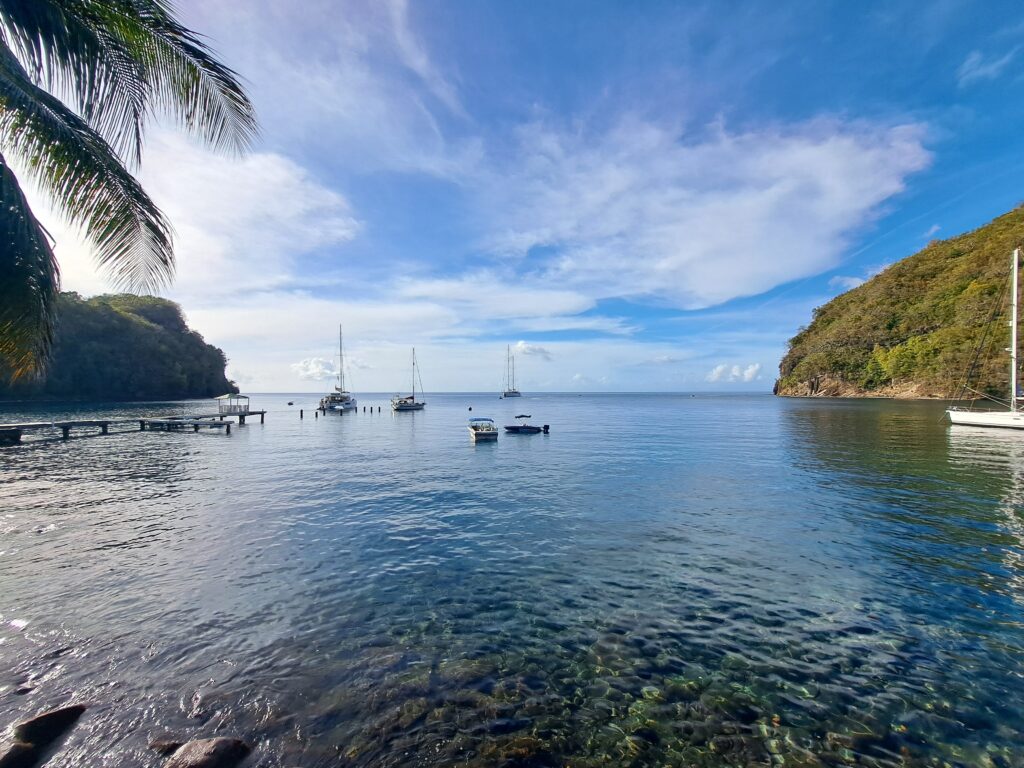
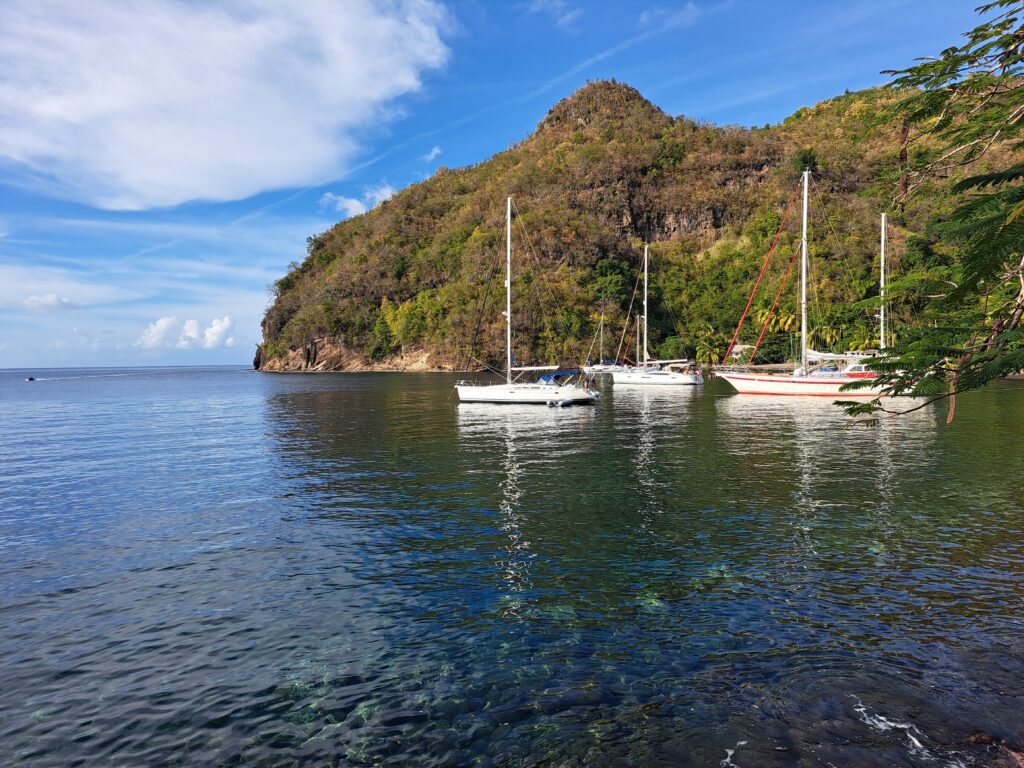
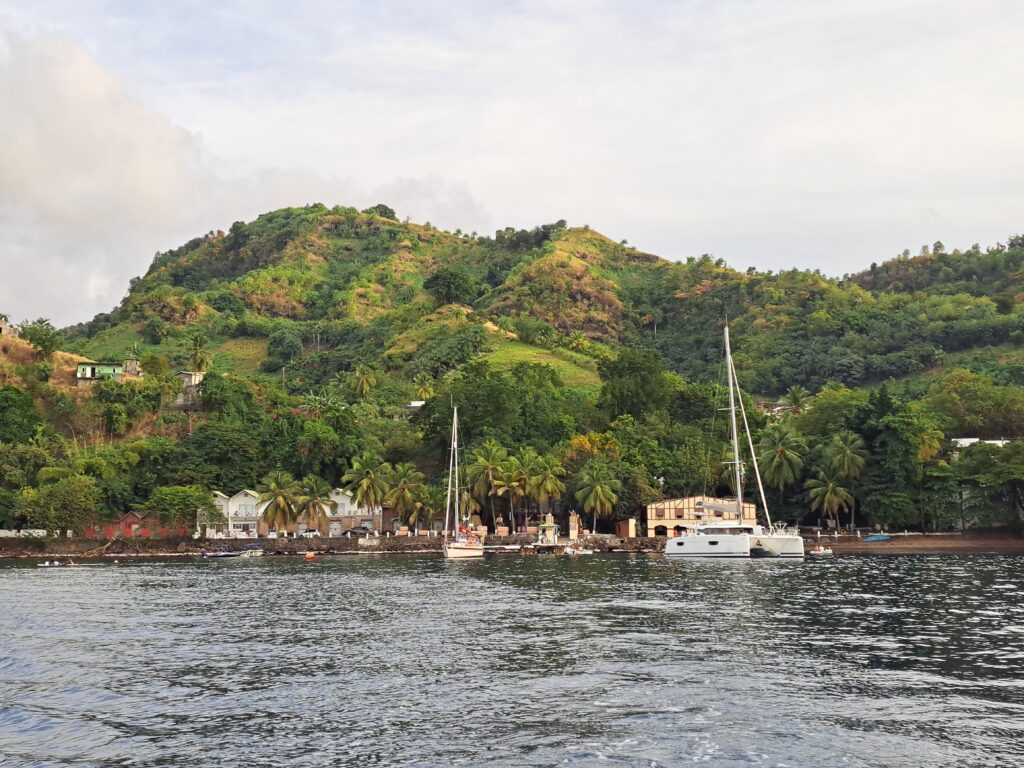
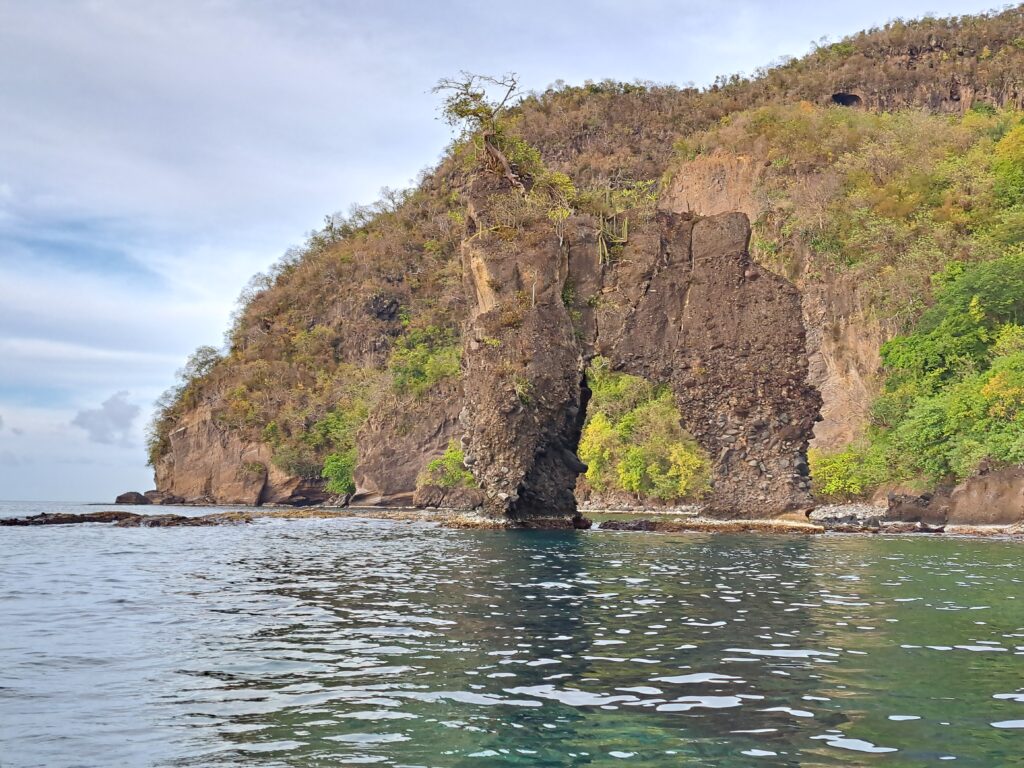
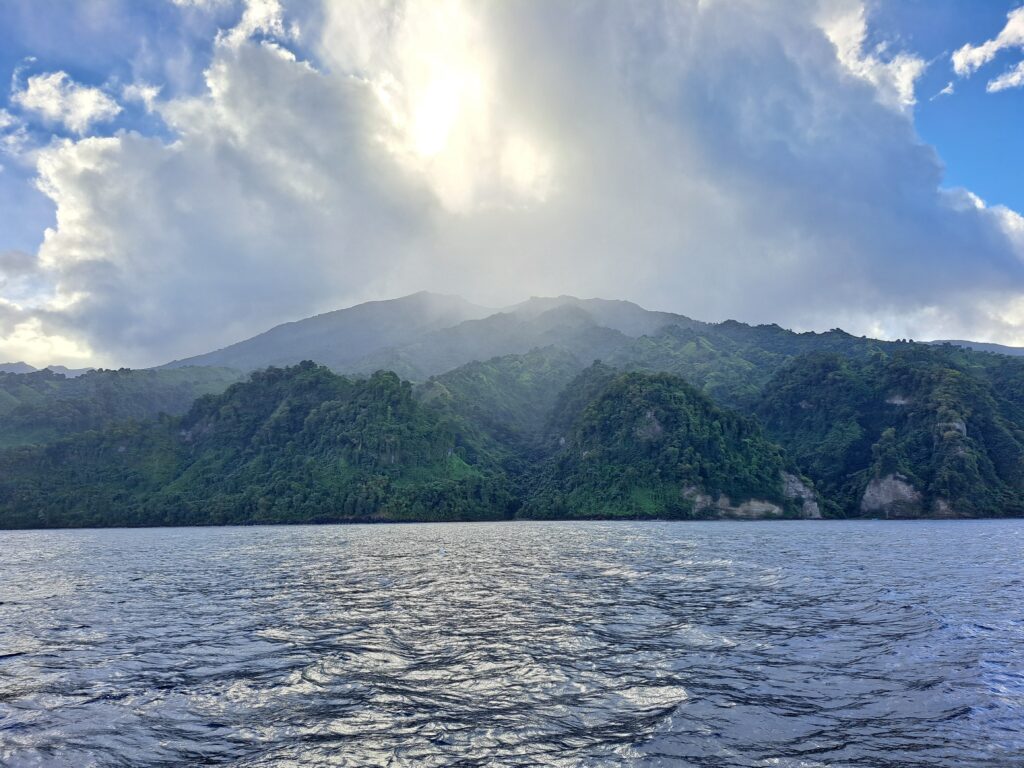
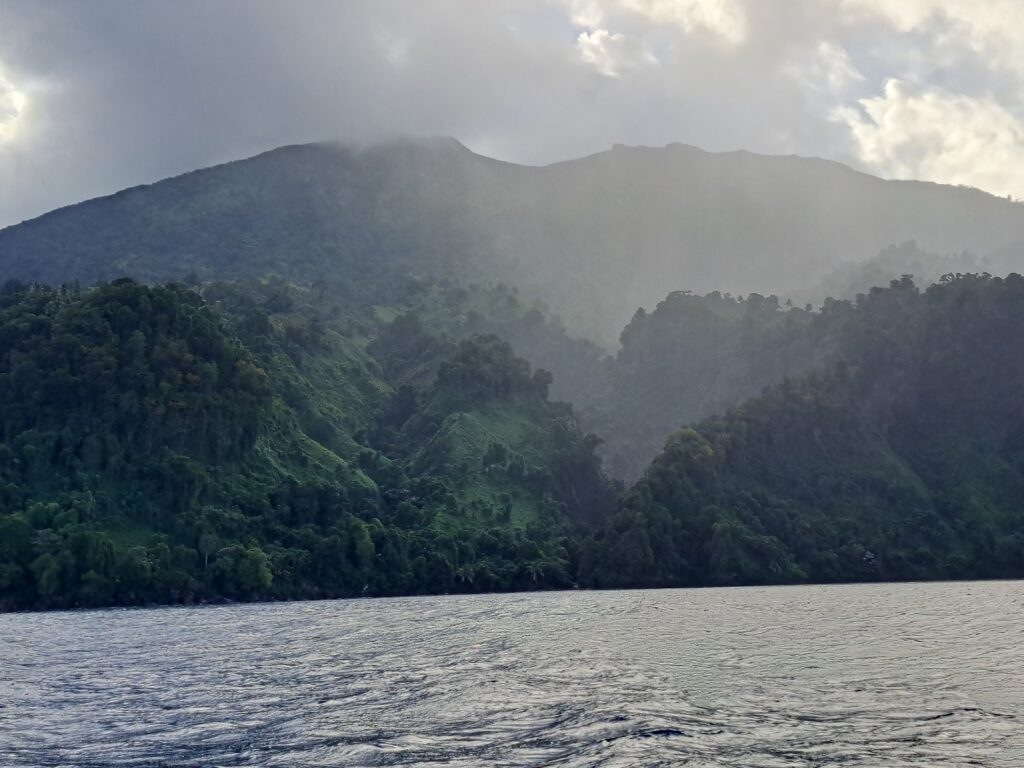
We started our route towards Rodney Bay on Saint Lucia at first light on the following day. We progressed on engine along the northern coast of Saint Vincent during the first couple of hours as we were in the wind shadow of the island. This gave us the opportunity to admire the lush and wild vegetation of this part of the island.
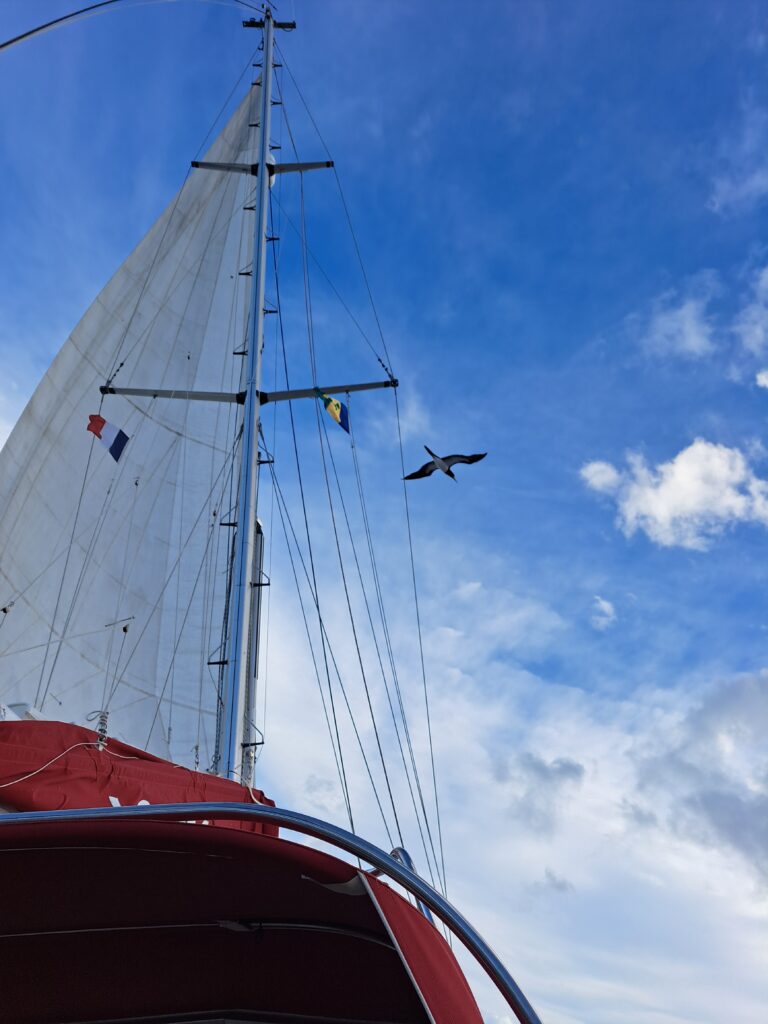
The wind became very gusty when approaching the tip of the island before it stabilized between 7 and 9 m/s allowing us to put the sails up and stop the engine. We crossed Saint Vincent passage sailing close reach most of the way in company of some red foot booby that were hunting flying fish. Flying fish are naturally scared of sailboats and fly away from them so these birds fly over sailboats until they spot a scared flying fish then dive on their meal… a meal that they just swallow in one shot… Unfortunately for us their previous meal ended up on the foredeck and even on the genoa…
As we were approaching the southern coast of Saint Lucia, S/Y L’Aventure 3 appeared on the AIS as they were sailing their last nautical miles of their Atlantic crossing towards Saint Lucia. We shared a few words with our friends via the VHF. What a great coincidence !
We reached Rodney Bay late afternoon but anchoring required a few attempts. After three attempts, we were still dragging even though the anchor had dug on the bottom. We dropped a bit more chain, sat double anchor alarm and called it a day.
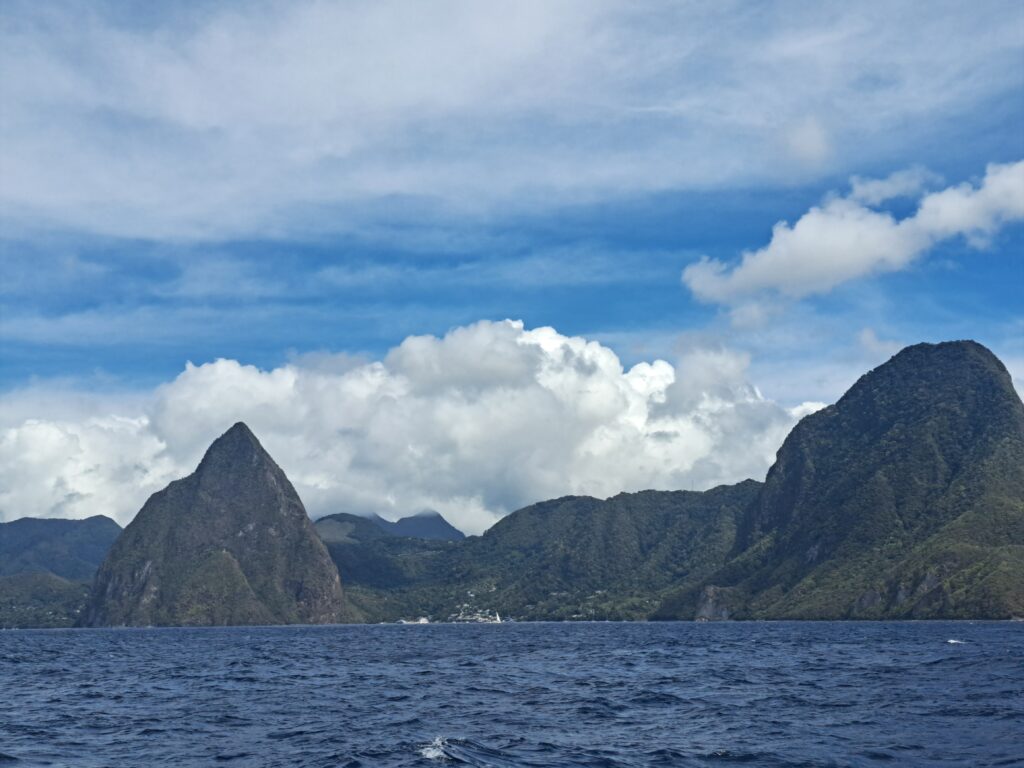
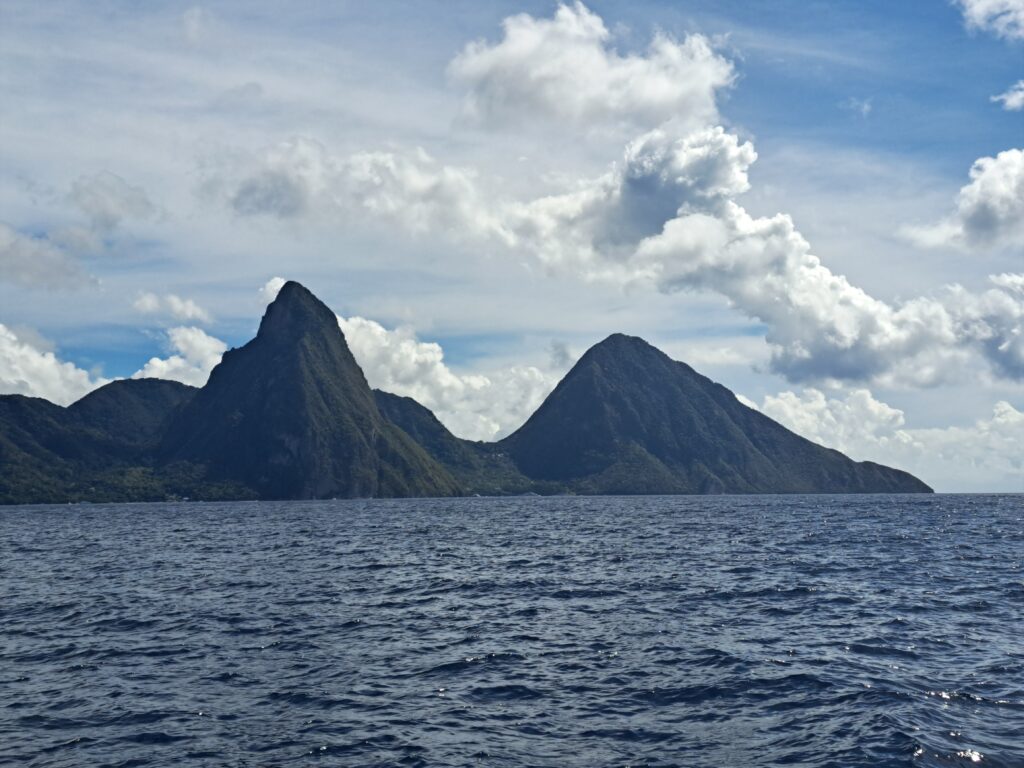
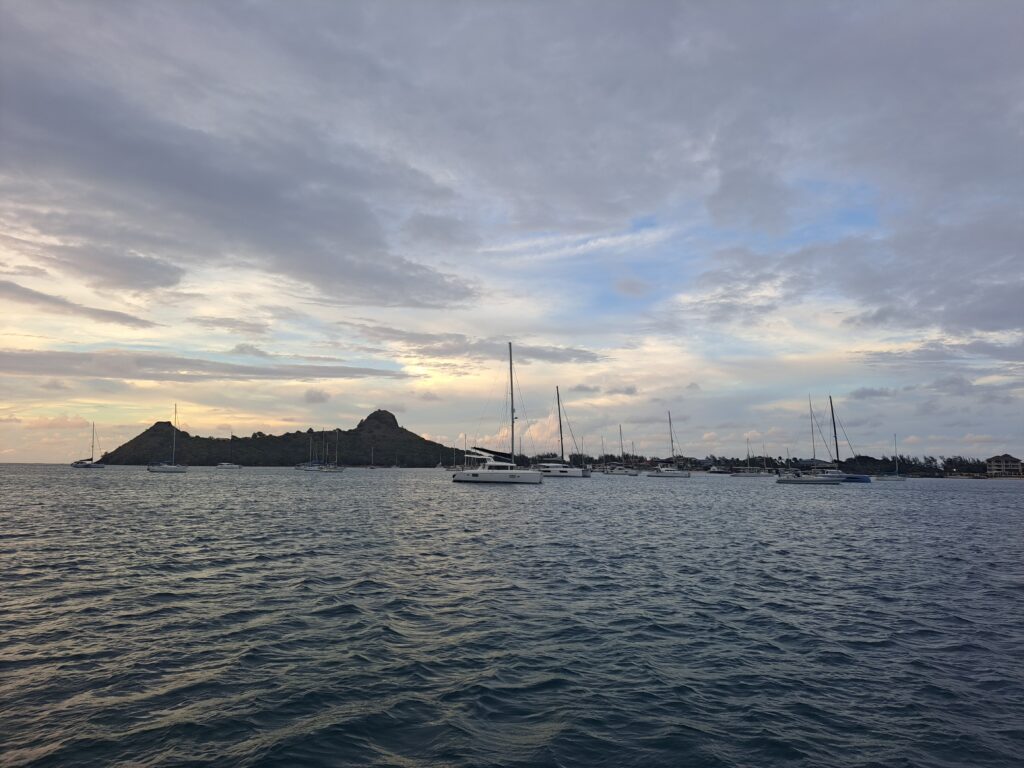
We remained anchored in Rodney Bay over the night only and set sail towards Sainte-Anne in Martinique already at sunrise for a 5 hour passage. We arrived in Martinique right on time to enjoy a lunch at the restaurant with our friends sailing S/Y Alba who were also anchored in Sainte-Anne.
And yet, while the coast of mainland France was 3500 nautical miles away, we raised the French flag again.
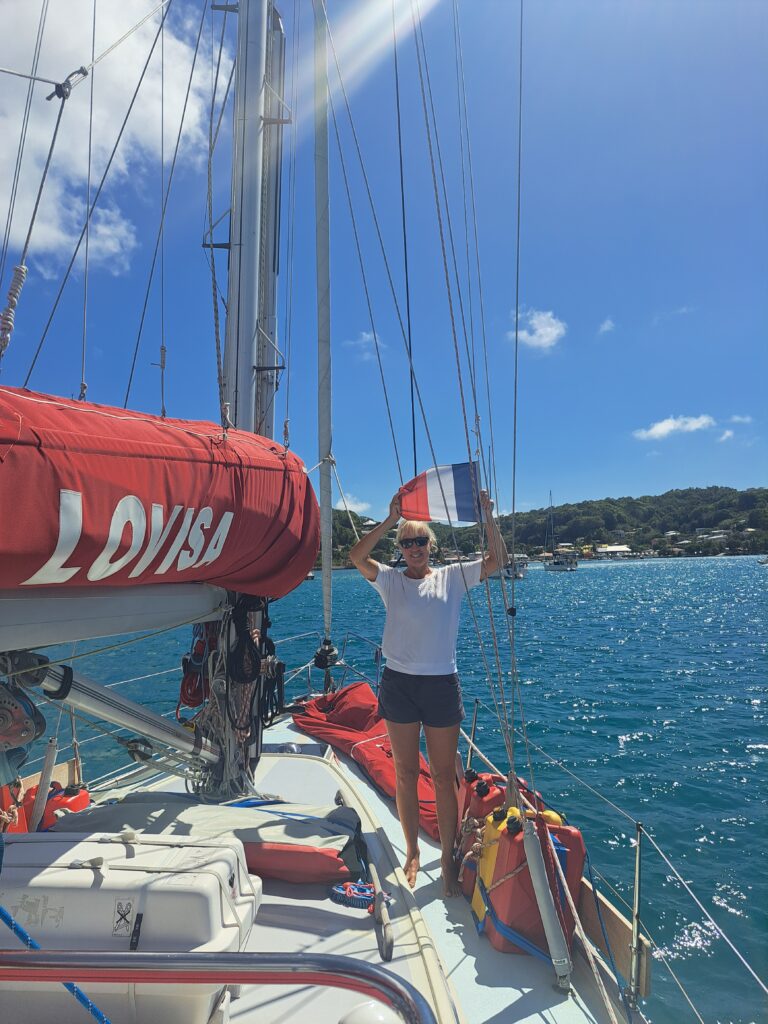
Sainte-Anne is a small village on the southern part of Martinique, just a few kilometers from Le Marin that is the main harbor for pleasure crafts in Martinique.
The good thing with the bay of Sainte Anne-is that it is very wide and relatively shallow between 4 and 7 m while the bottom is a mix of sand and clay that provides very good holding for anchors. In addition there was not much swell. All ingredients to make a popular anchoring place. During our stay, there were probably around two hundred boats on anchor.
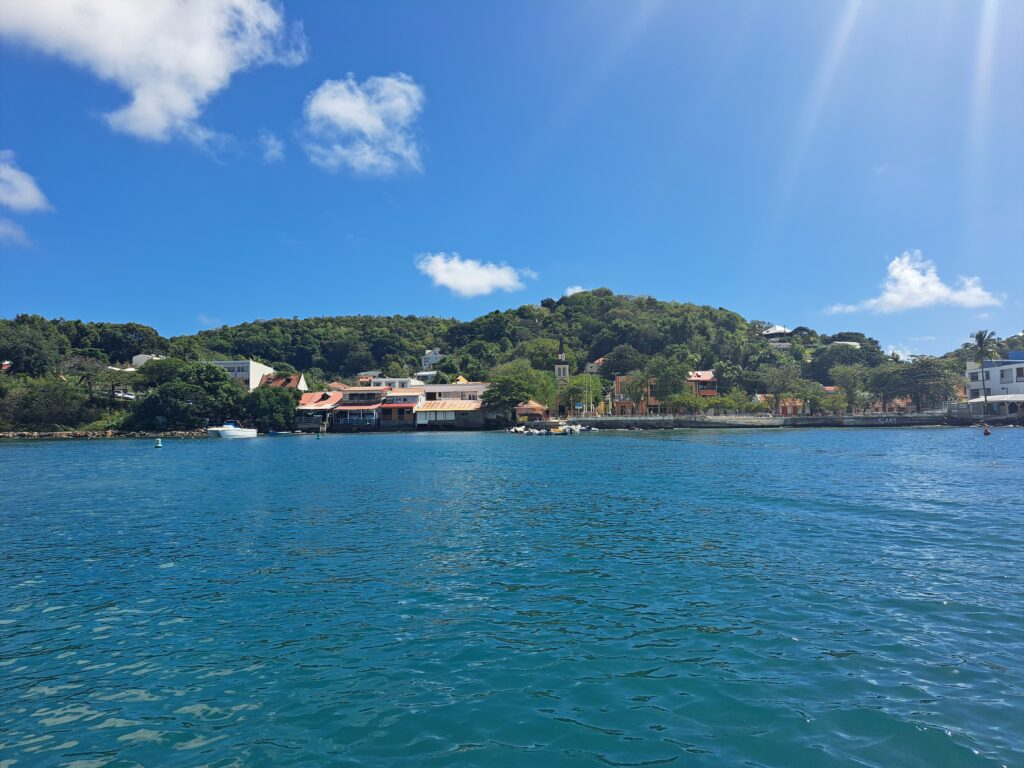
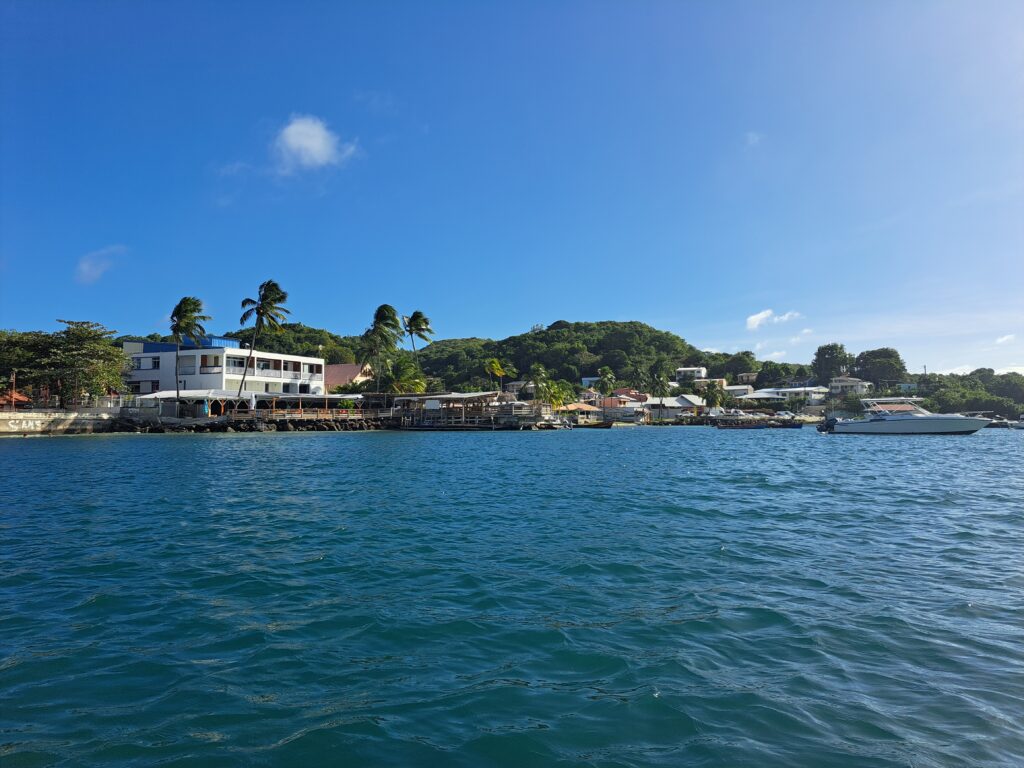
The anchor was holding well, it was time to be tourists and visit the surroundings, shop groceries for the next weeks and meet with our friends on S/Y Alba and S/Y Marey.
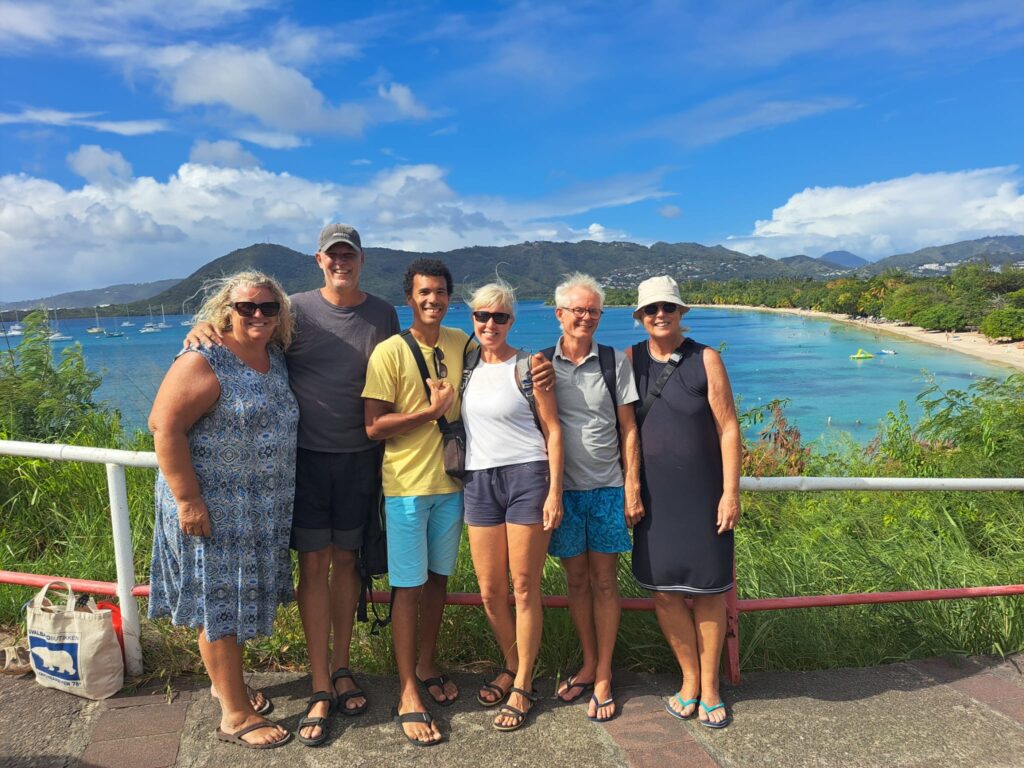
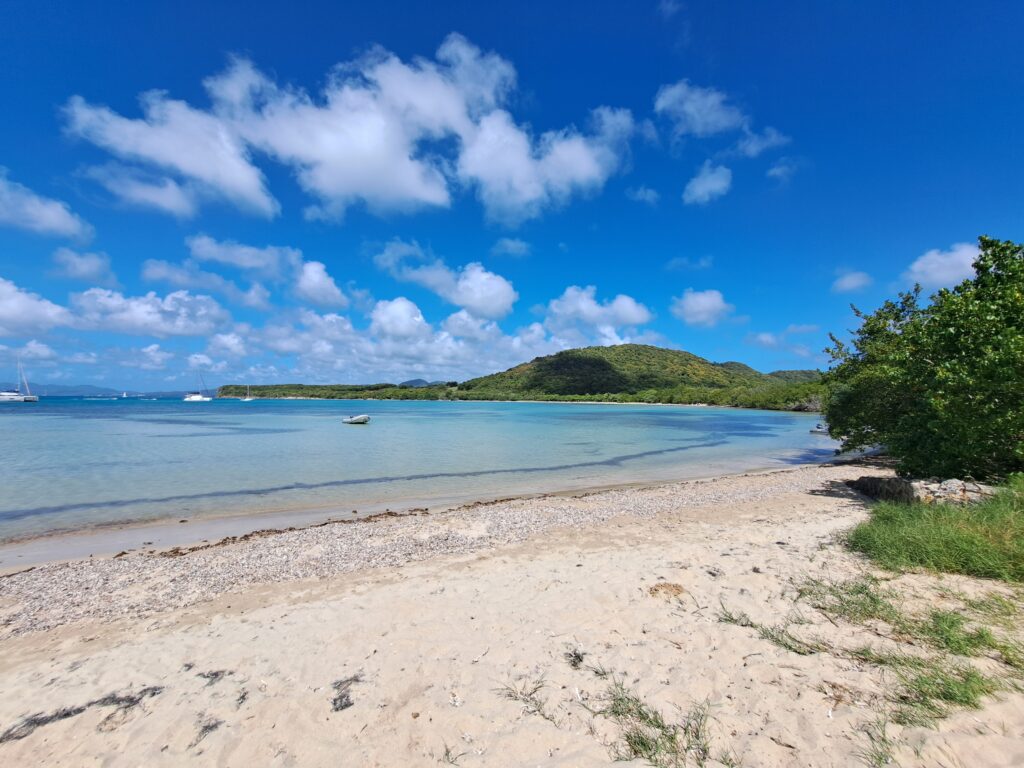
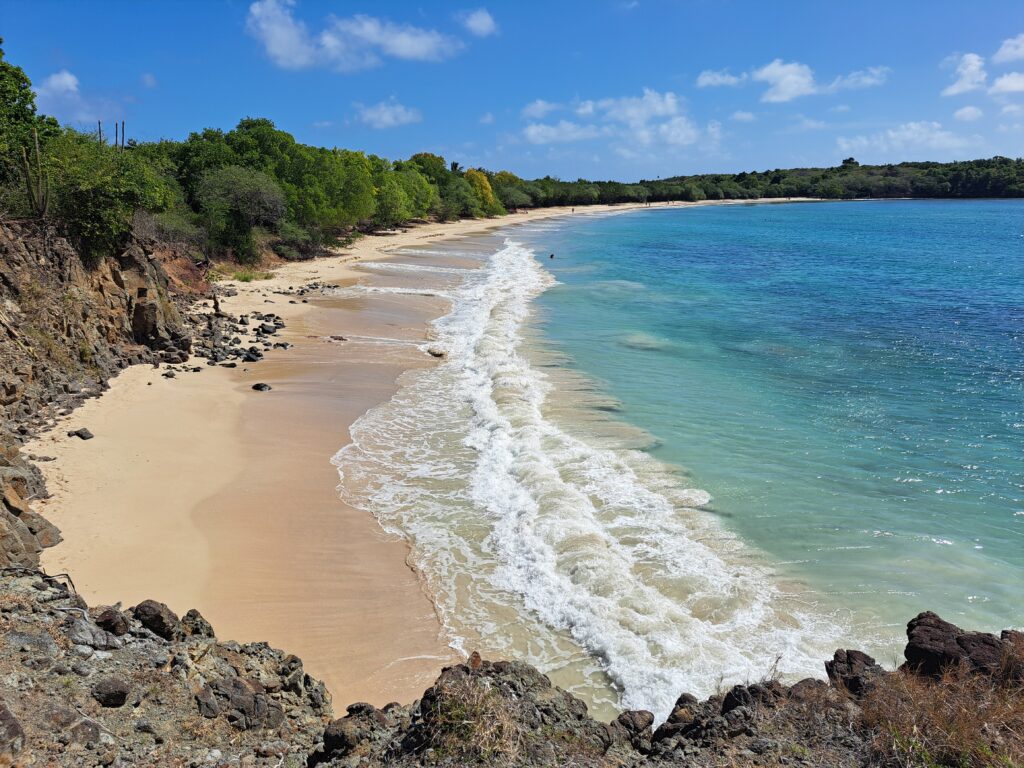
Trail from Sainte Anne to Plage des salines
A one hour and half walk along the coast betwen the beach and the mangroves.
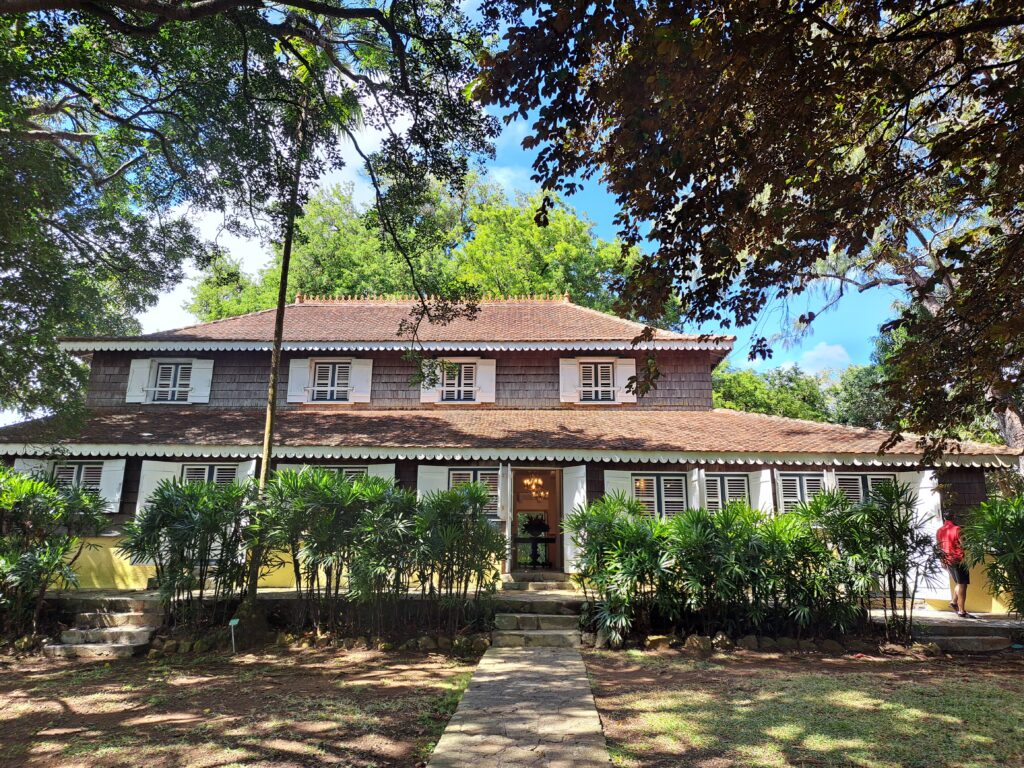
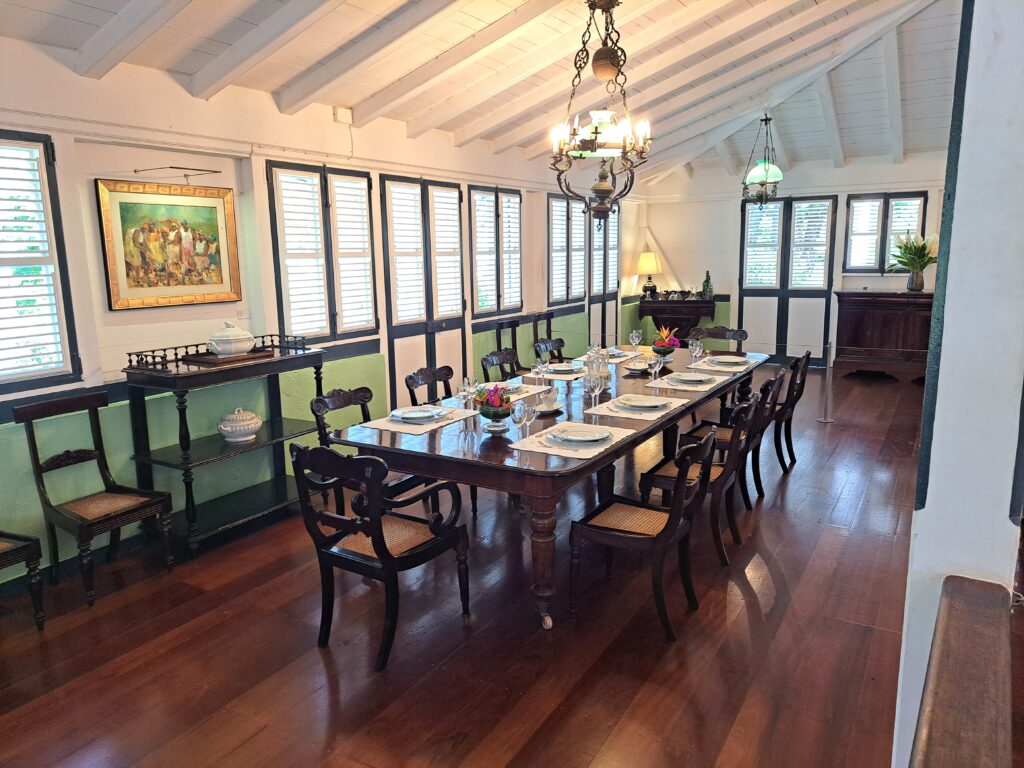
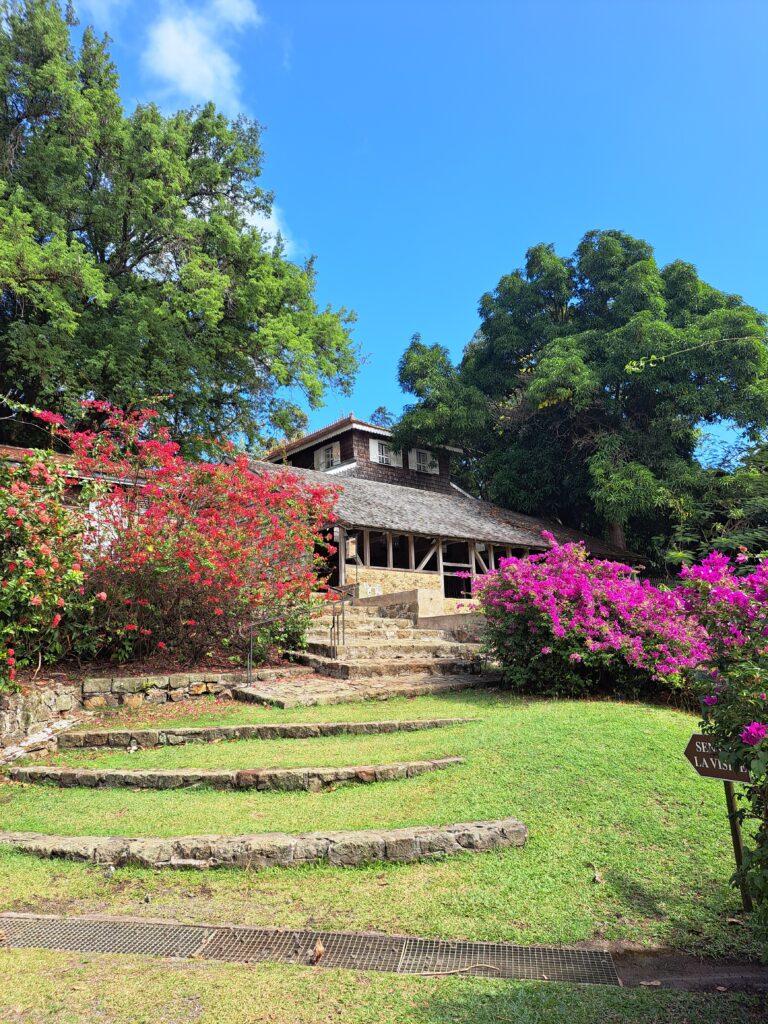
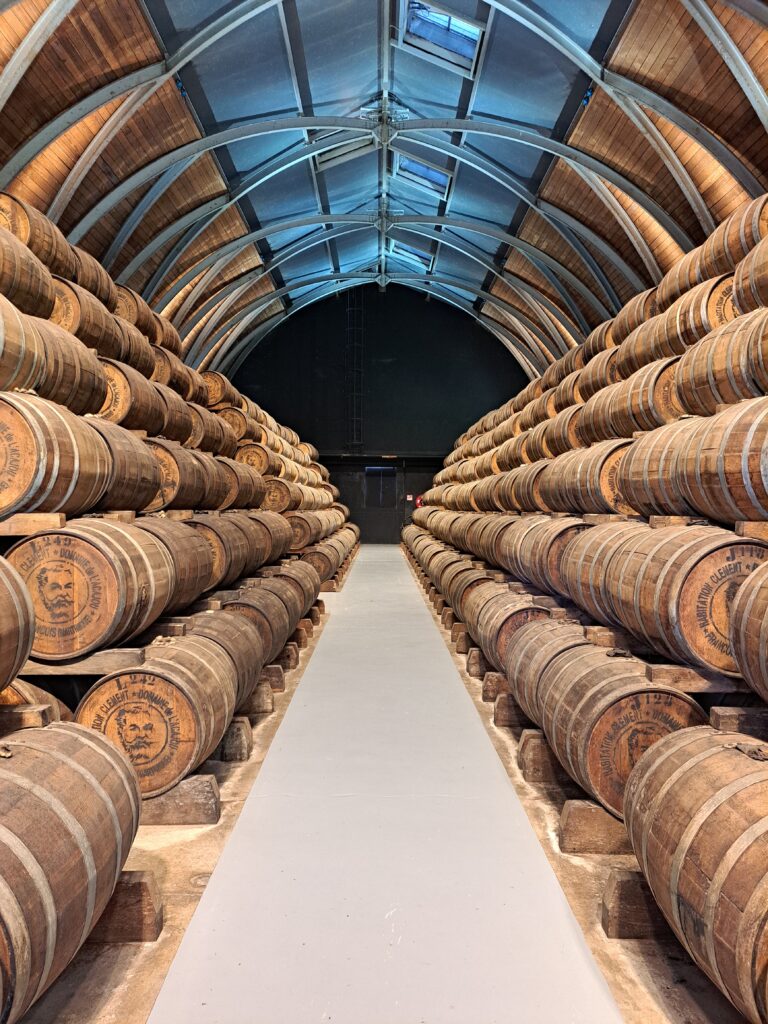
Habitation Clément
Martinique is famous for its rhum distilleries. We visited “Habitation Clément” that is amongst the most known ones.
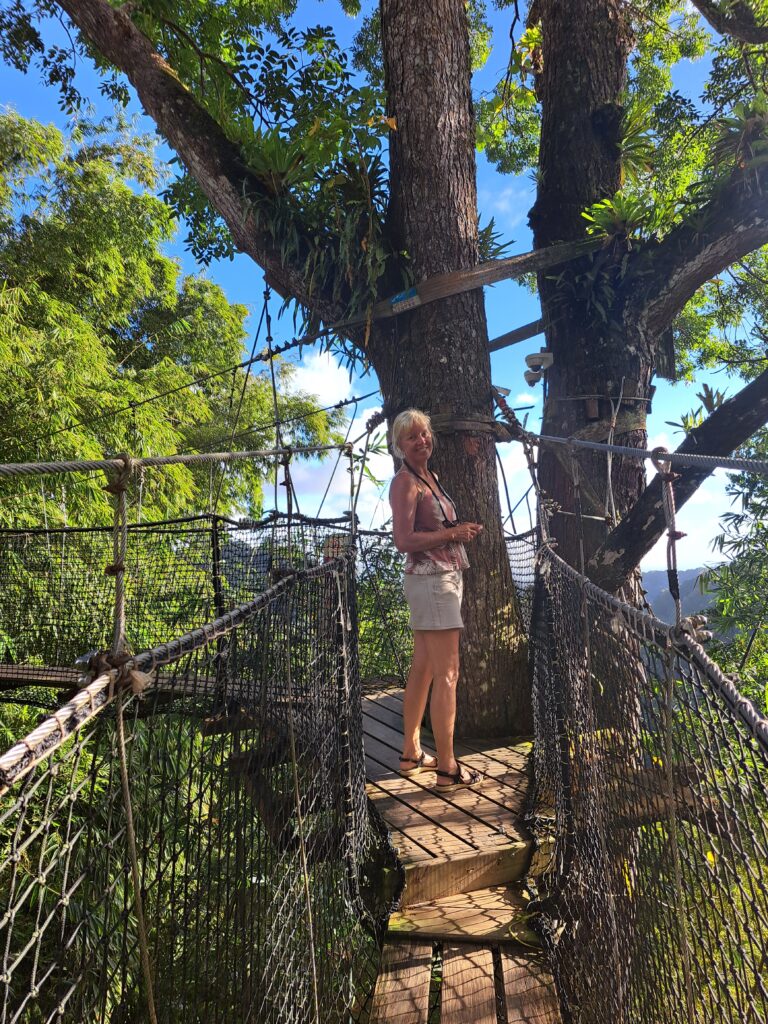
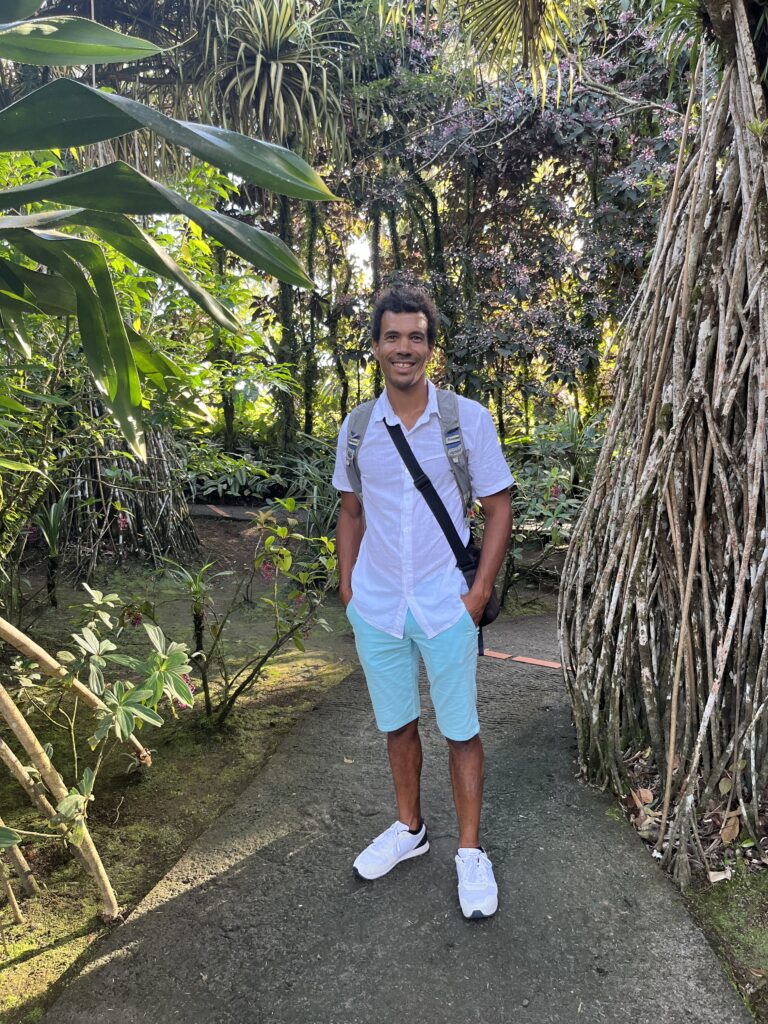
Jardin de balata
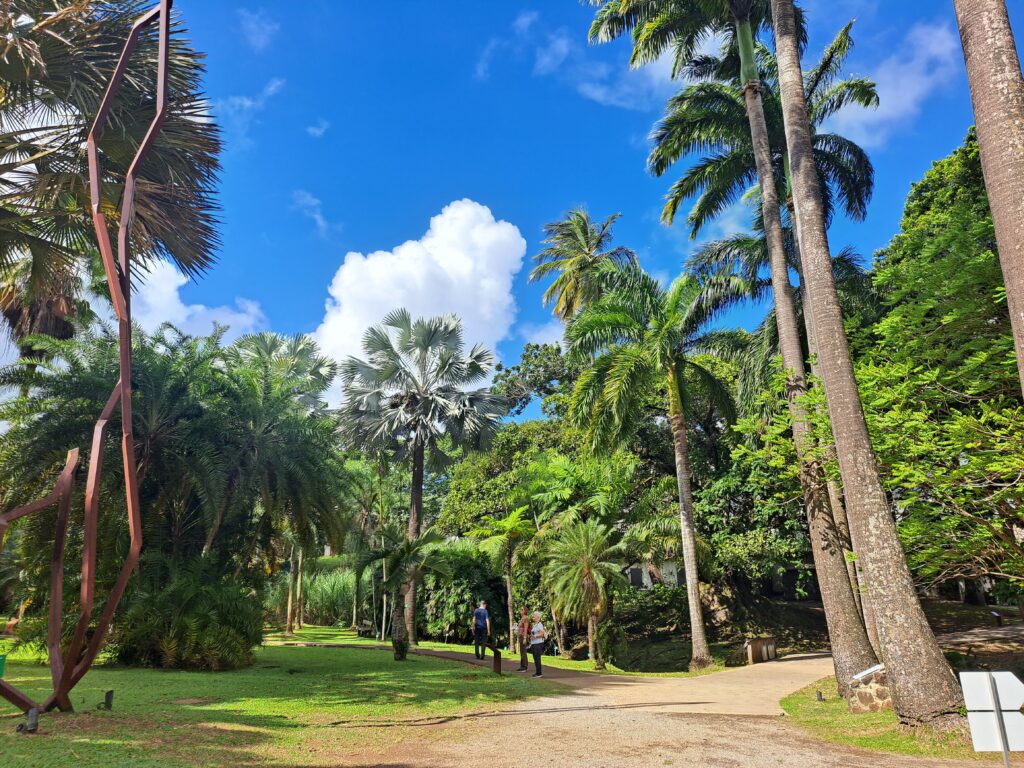
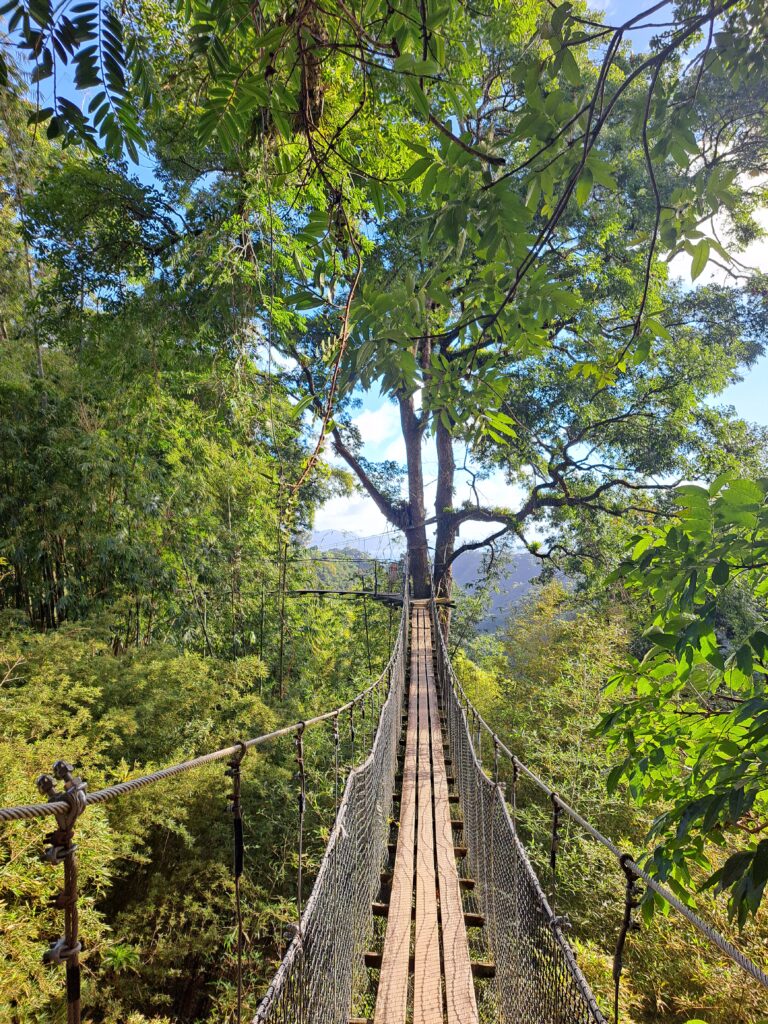
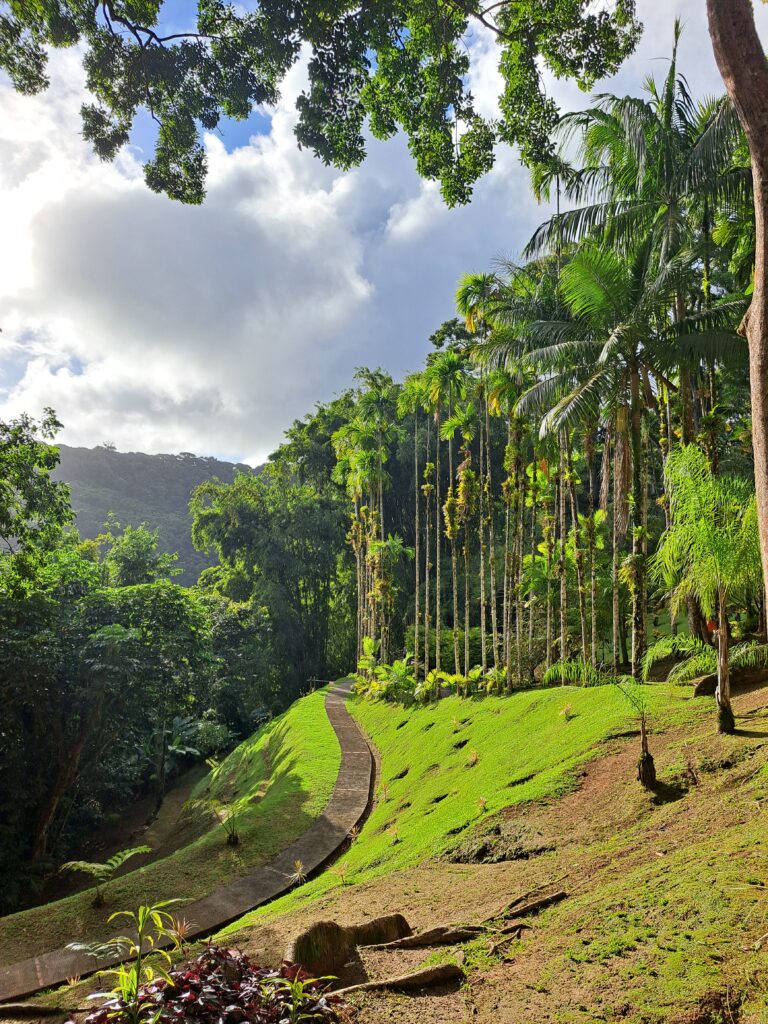
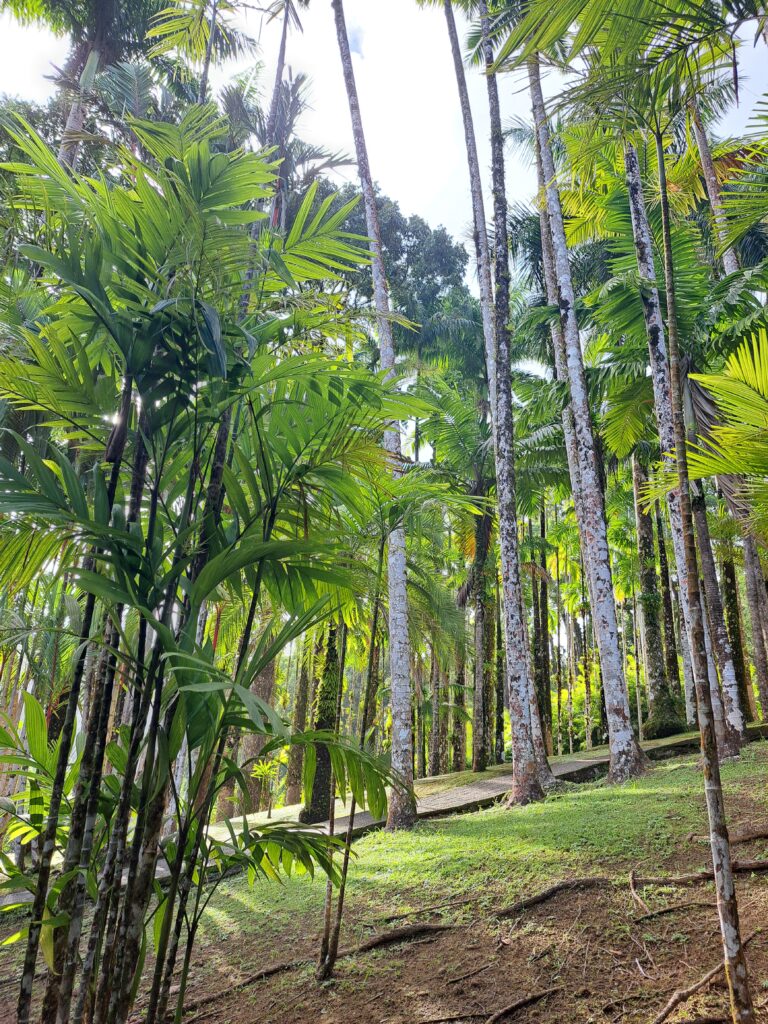
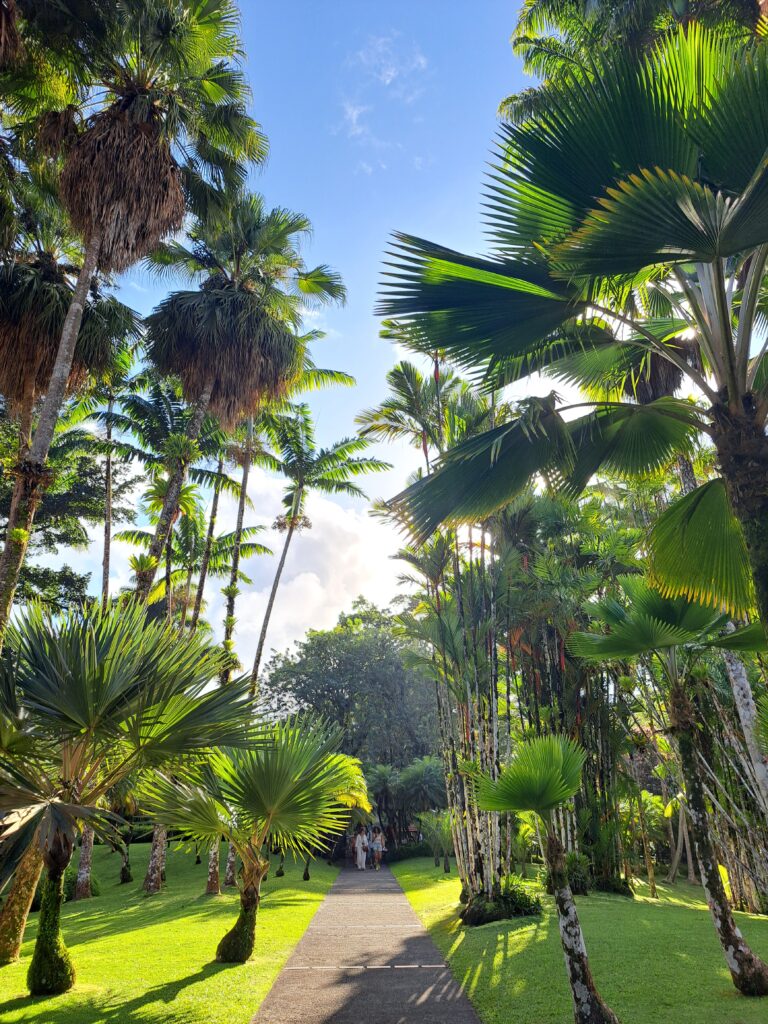
Located north from Fort-de-France, Jardin de Balata is a must see private garden in Martinique. According to its creator, Jean-Philippe Thoze, it is not a botanic garden, instead he uses the term of “Jardin d’agrément” or “Jardin d’artiste”.
After ten days fully enjoying Sainte-Anne, its bakery, the restaurants, and the happy encounters we made, it was time to lift the anchor. So on January 24, we moved towards Grande Anse d’Arlet with a stinky anchor chain: within ten days, a lot of algae grew on the chain leaving a bad smell in the anchor box.
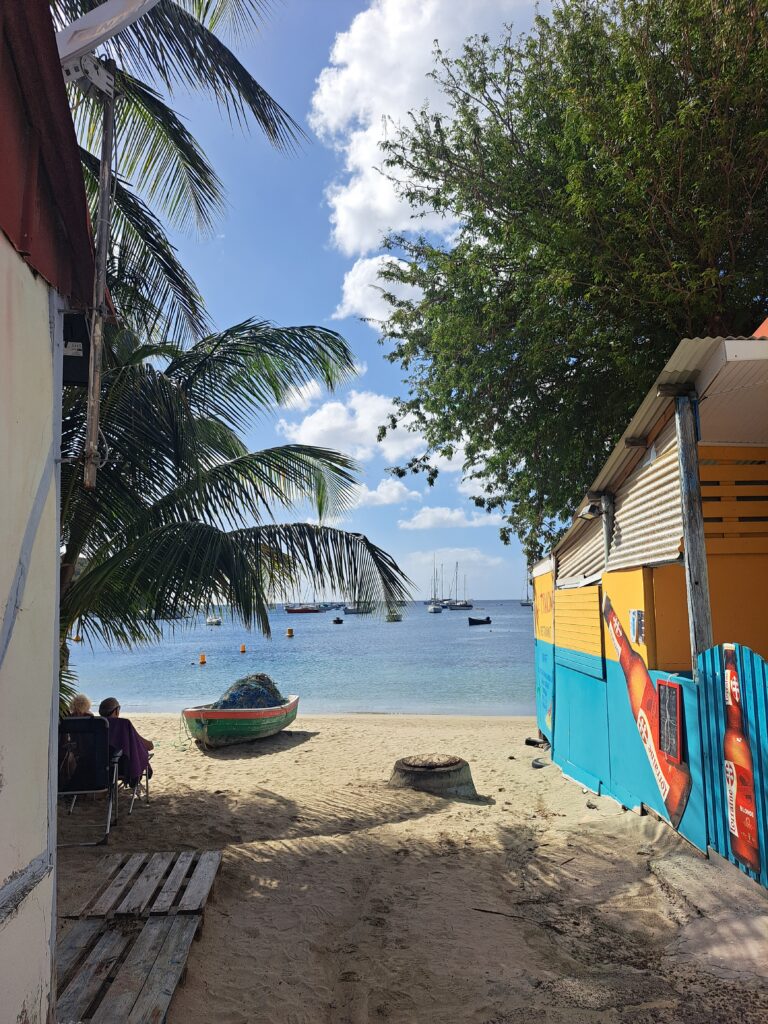
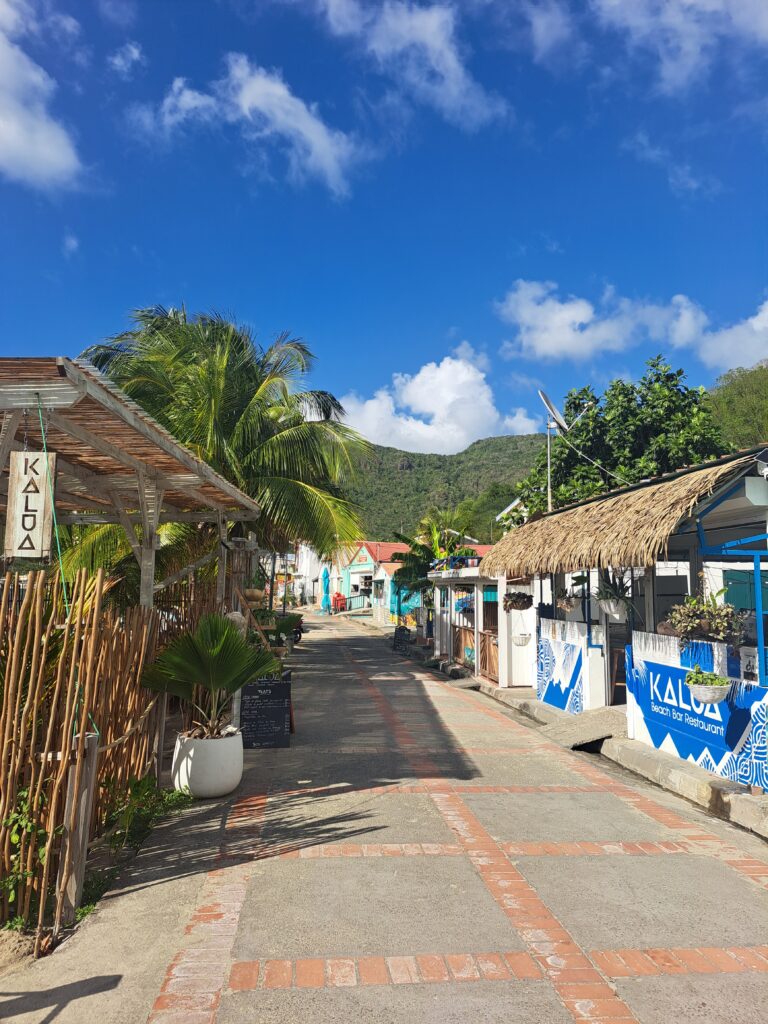
Anses d’Arlet
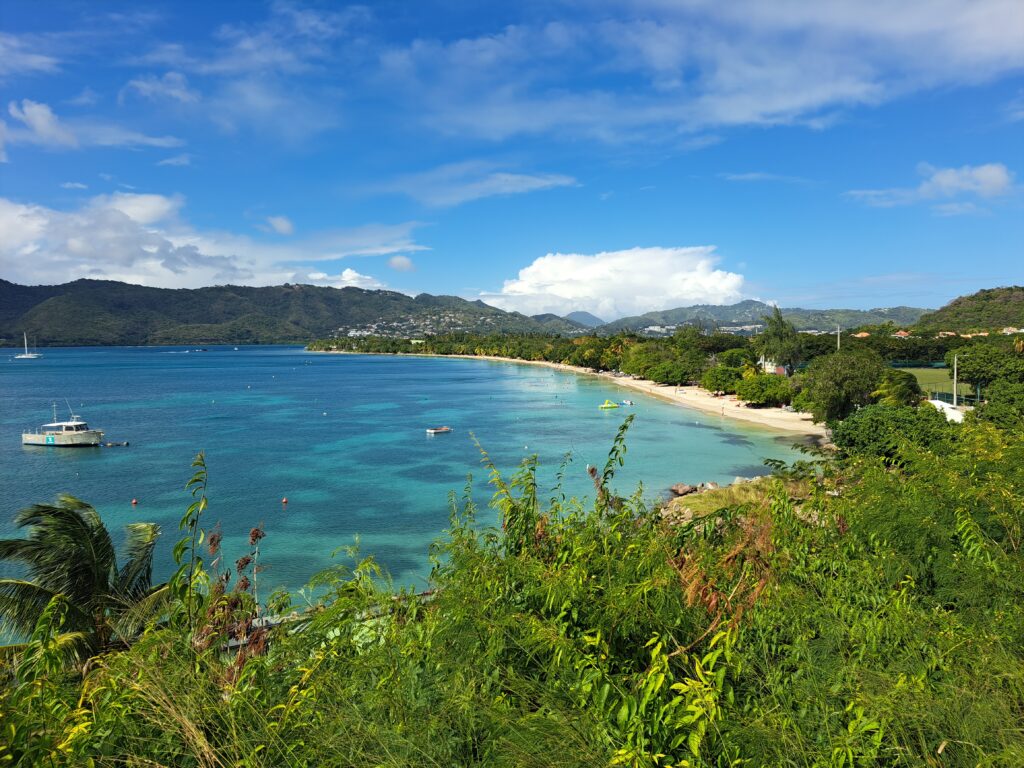
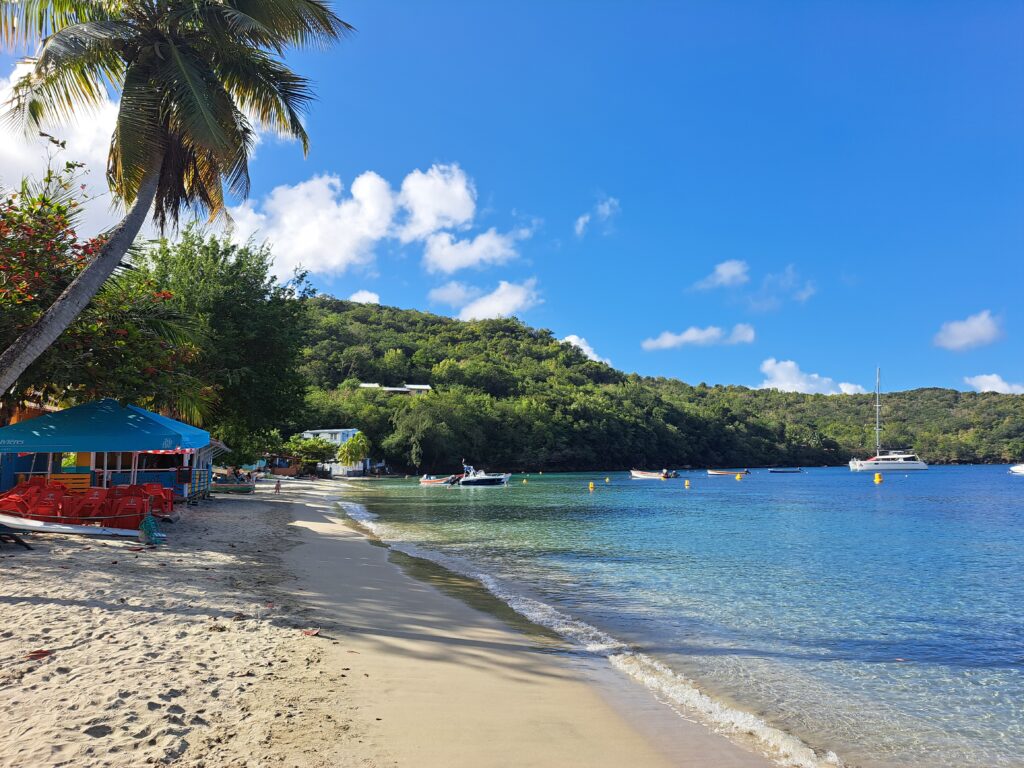
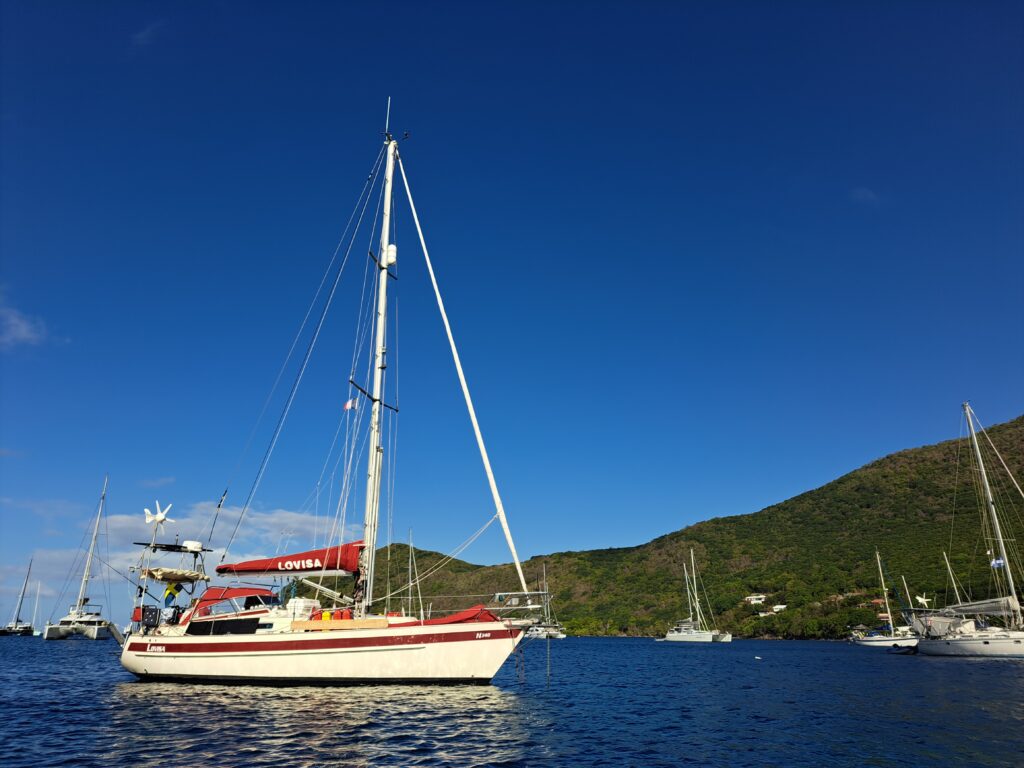
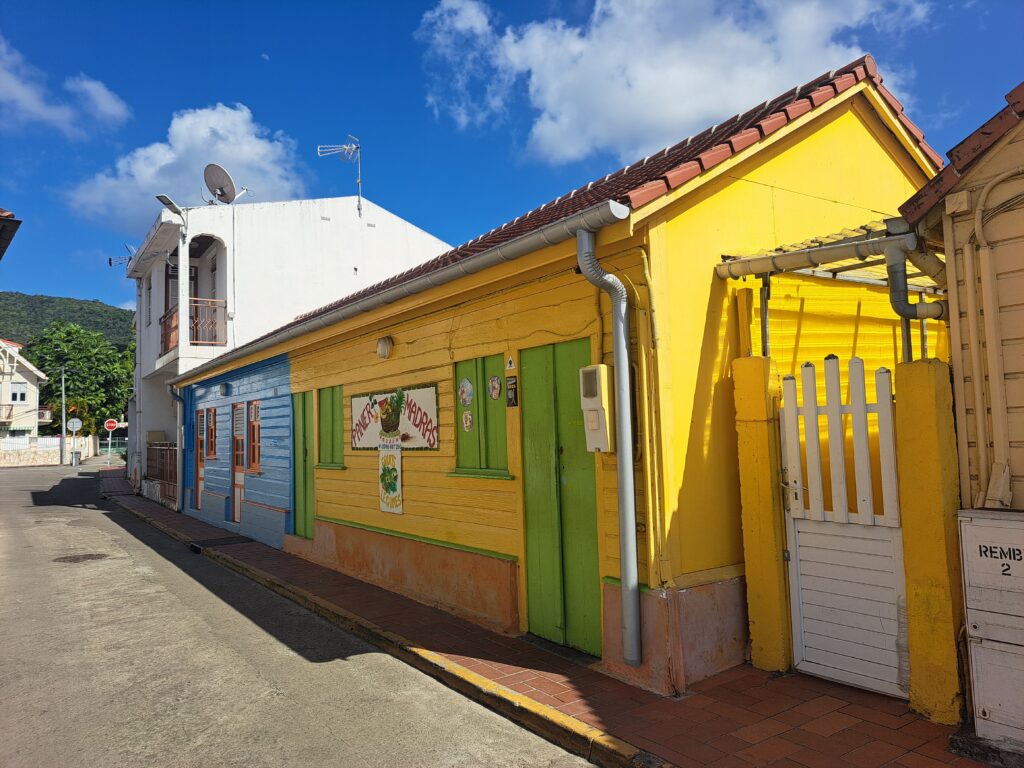
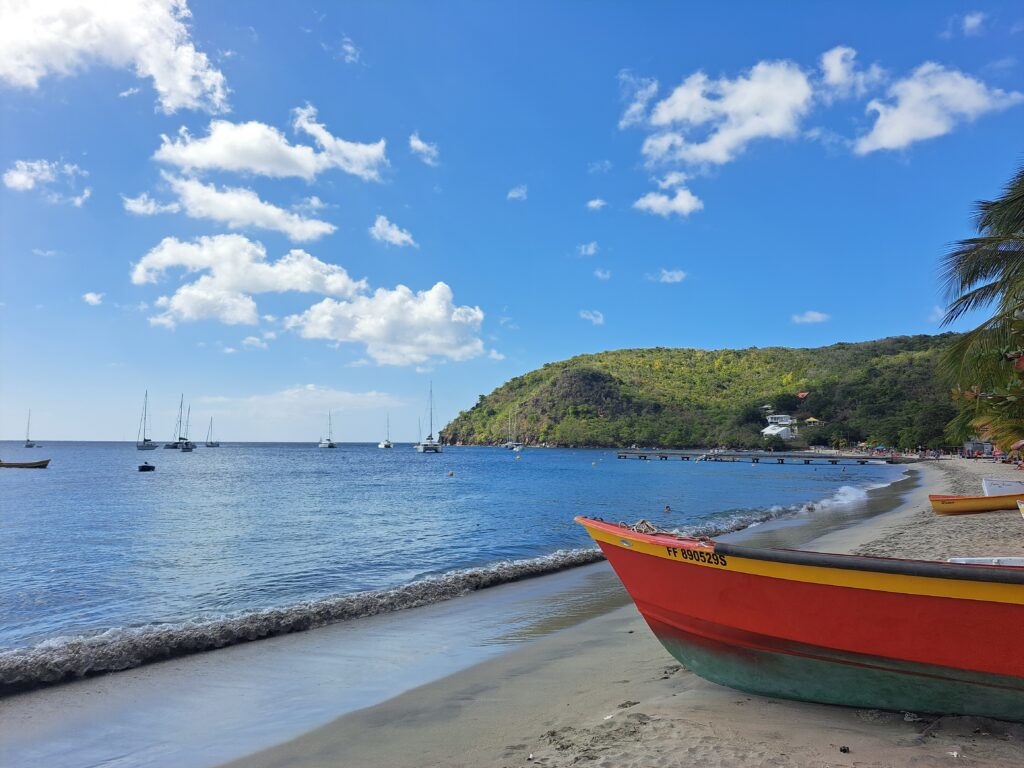
Two large bays located on the south west of Martinique famous for their clear waters and good snorkling. We anchored in the northern bay, Grande Anse d’Arlet and took a sweting walk to the other bay.
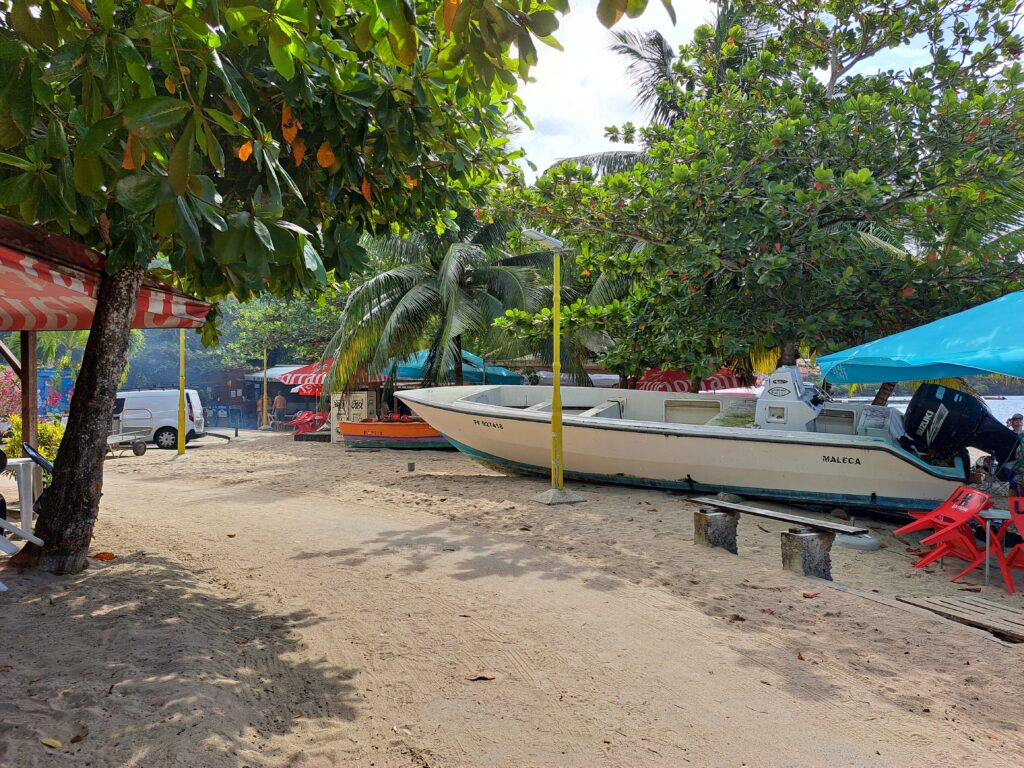
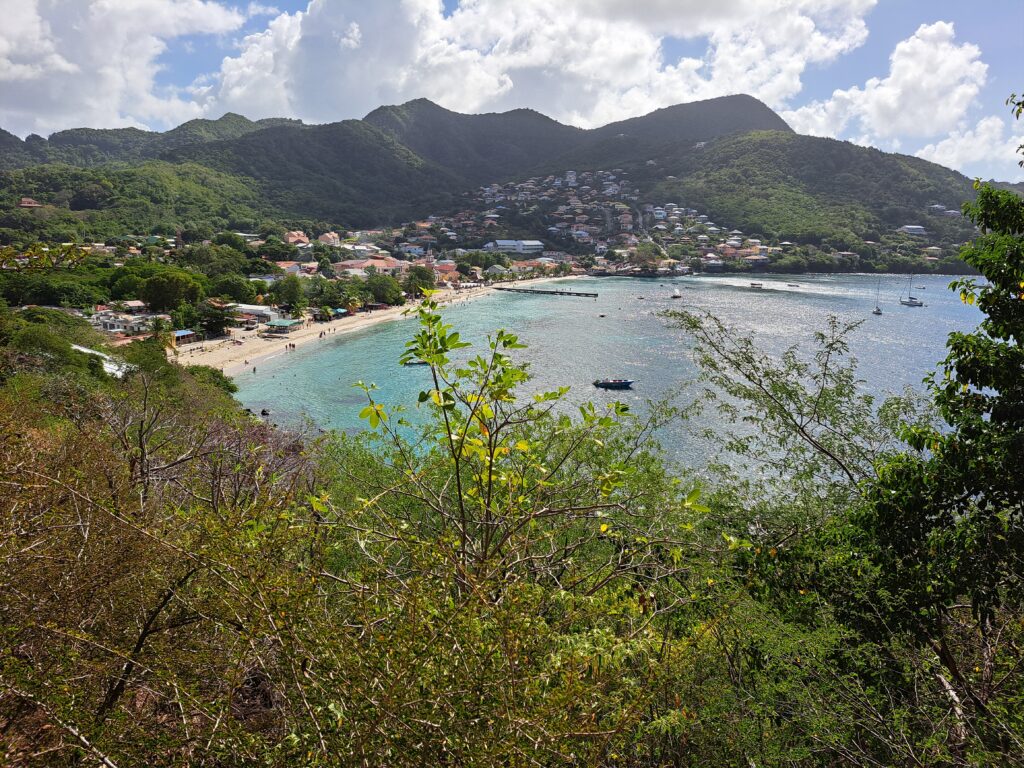
Anse Mitan – Pointe du bout
Anse Mitan is located just 5 Nm from Grande Anse d’Arlet, facing Fort-de-France, the capital city of Martinique.
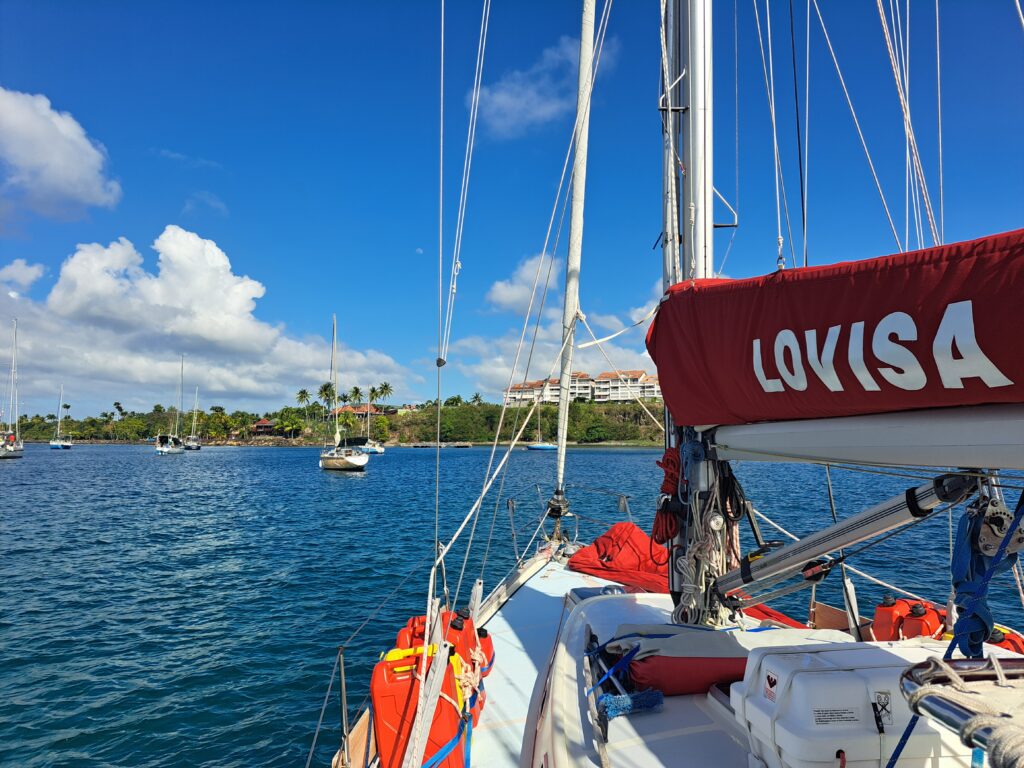
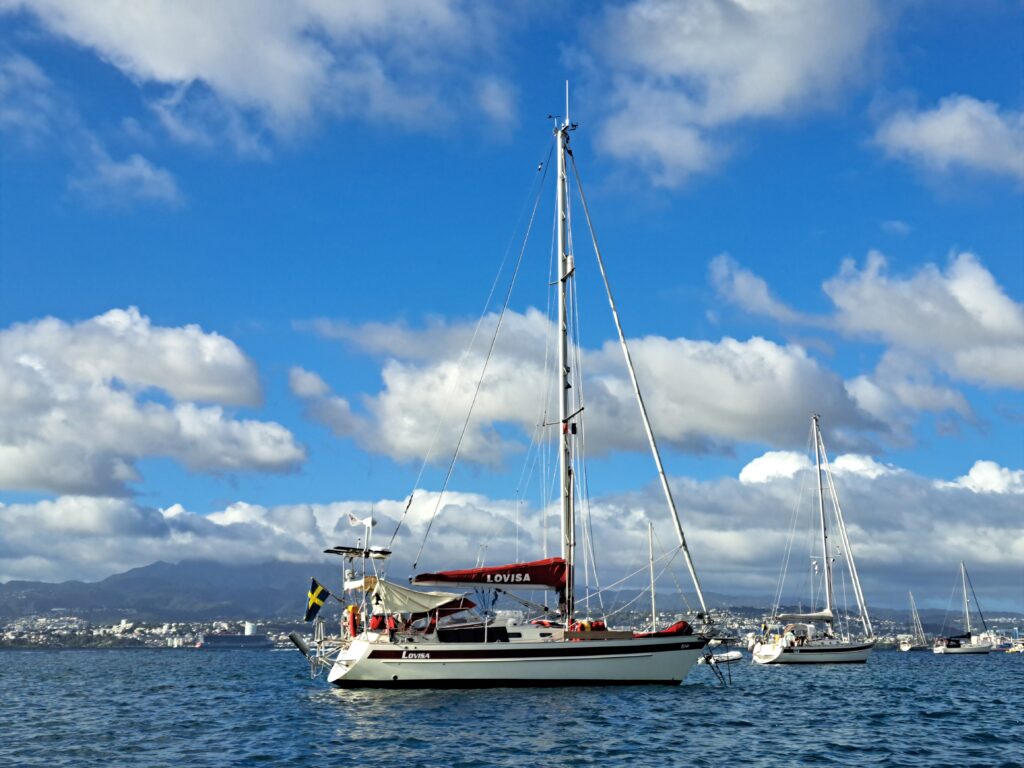
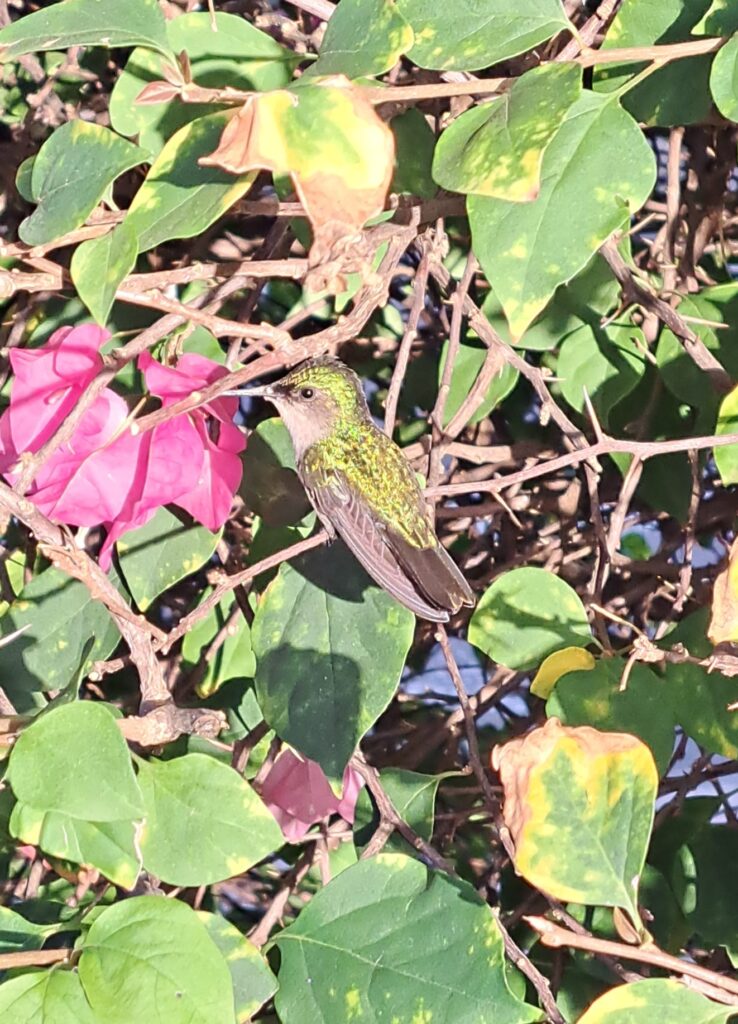
In the small town called Les Trois Îlets, facing the bay, we spotted a few Antillean Crested Hummingbirds flying around flowers. They are fast but we managed to get one in a picture as it was resting in a bush. In French they are called “Colibri huppé” and locally surnamed “foufou”.
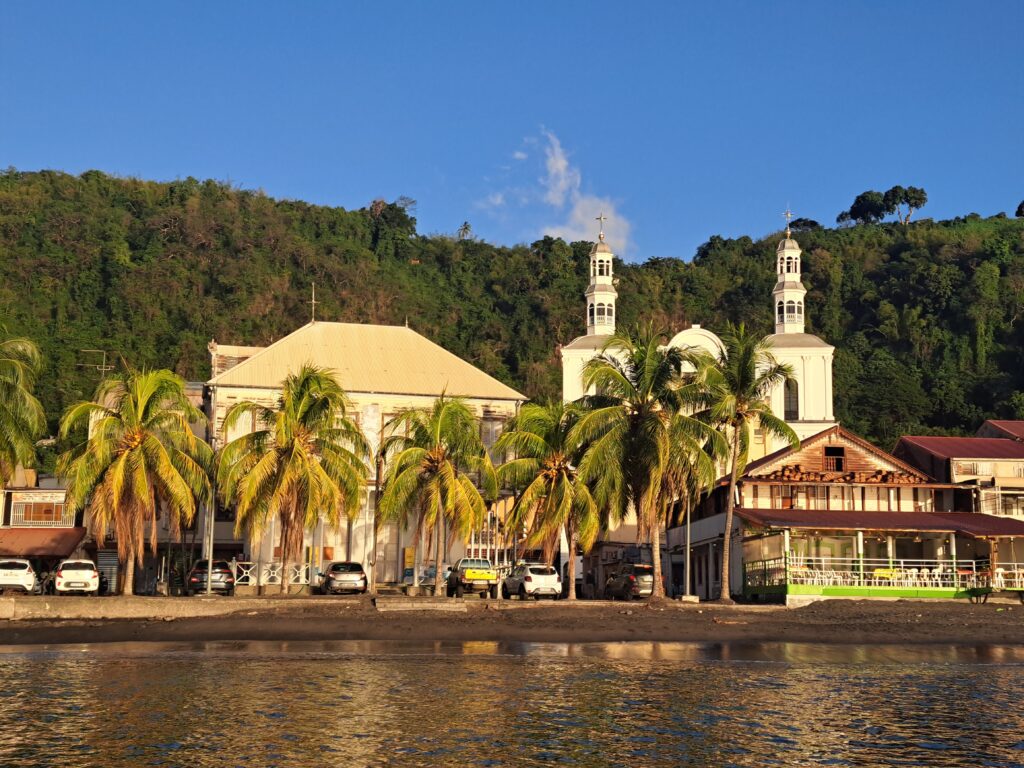
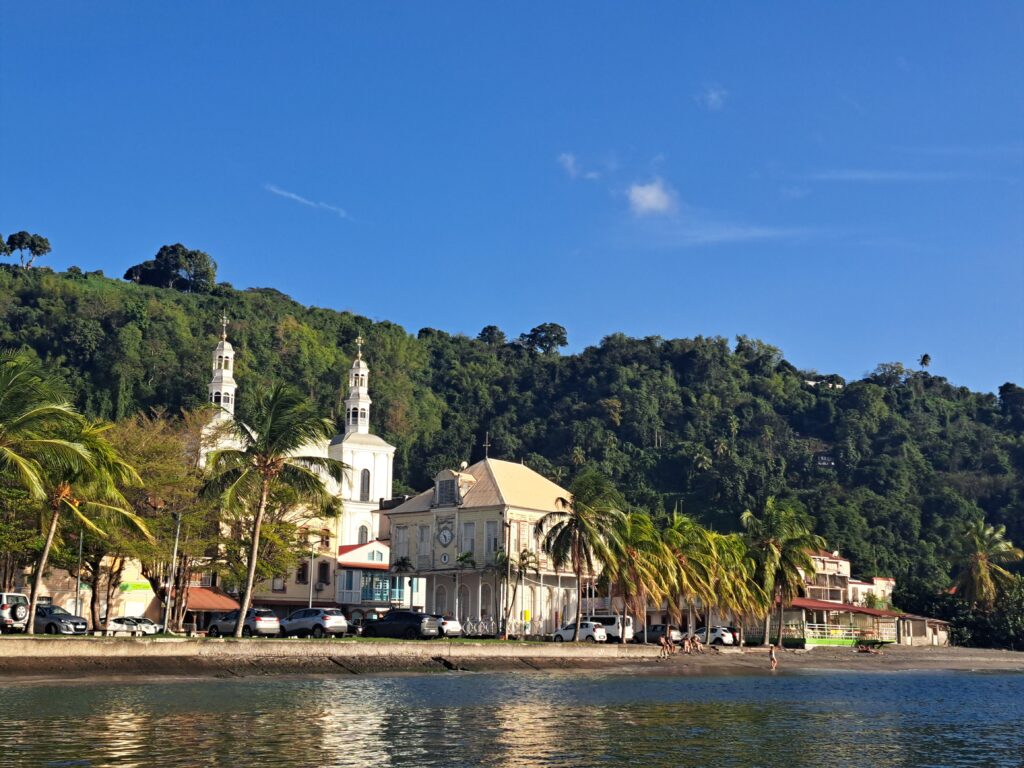
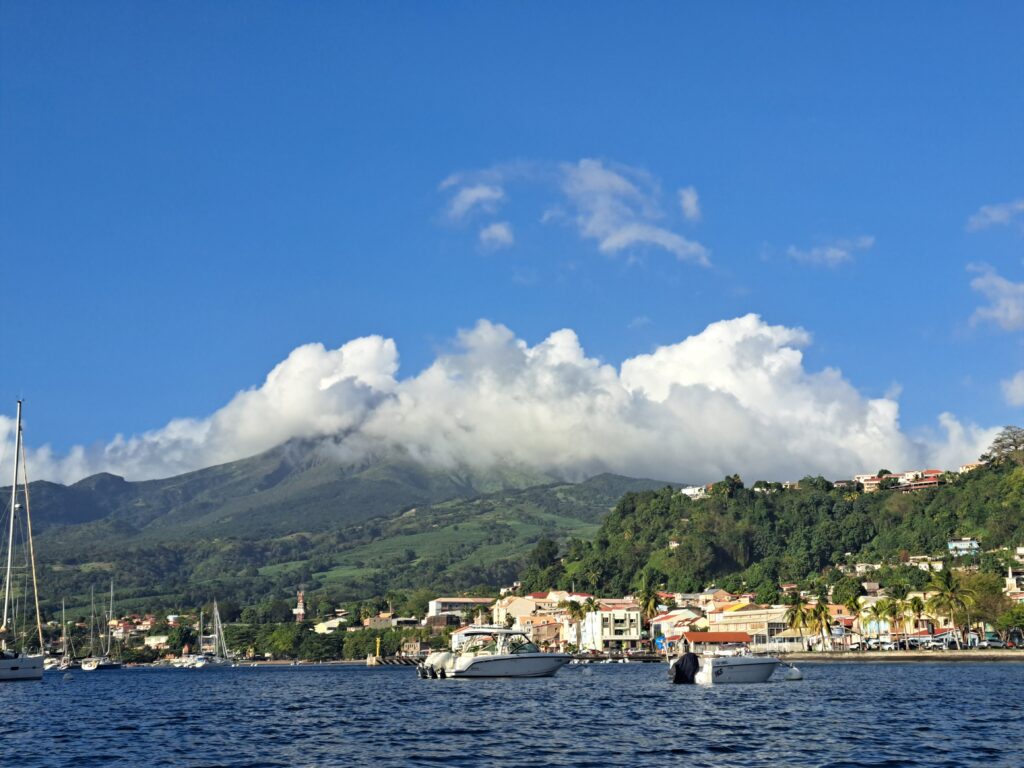
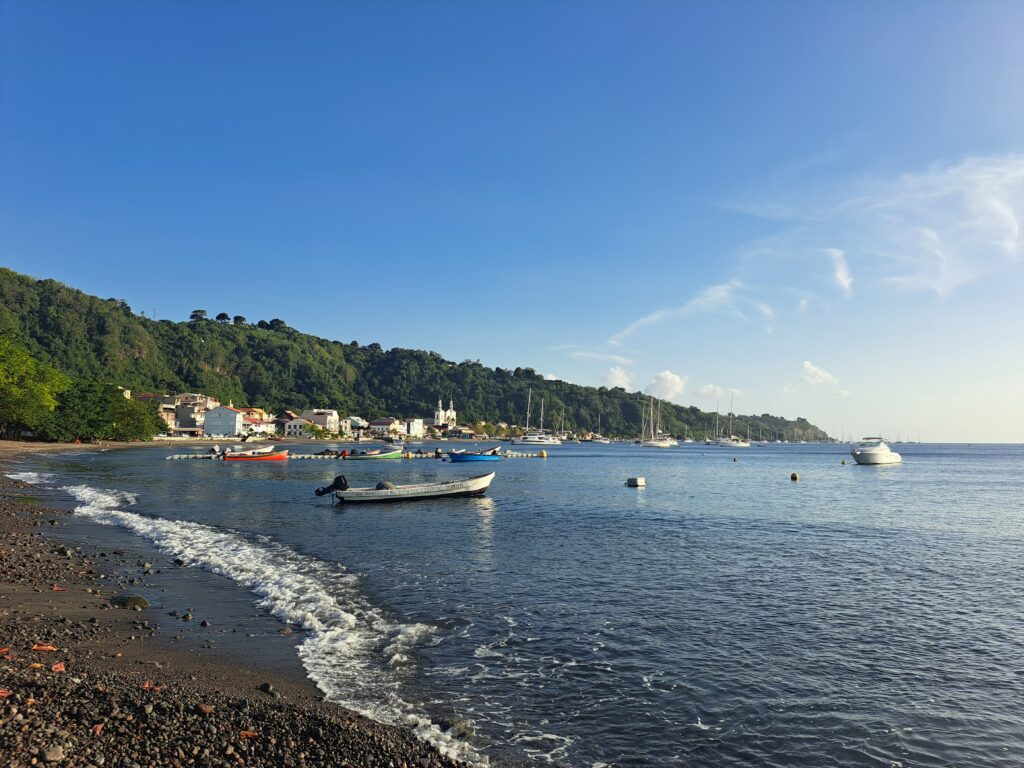
Saint Pierre
The sailing to Saint Pierre was a very short one, only 15 Nm. We enjoyed very good winds between 8 and 13 m/s ailing broad reach and took the opportunity to clean the anchor chain on deck as we were sailing.
We left the anchorage about thirty minutes before our friends sailing S/Y Alba but they passed us anyway on the way to Saint Pierre. A very well known scenarios with reference to all the times we left a harbor before them and look at them passing by after a few hours.
As we were approaching Saint Pierre and a very short time after we started the engine, we crossed the way of a big pod of common dolphins. Their behavior was quite different compared with the other pods we met in Europe. These seemed less playful although they stayed with us a little bit, and actually they showed off with fantastic jumps.
This encounter was the best spectacle we could get to conclude our two and half weeks in Martinique.
Maintenance works
The sun, the beautiful sand beaches and the good food should not be an excuse to skip the regular maintenance of the boat. So while on anchor in Sainte-Anne, we serviced for the second time the windlass since it had been working quite a lot since the last cleaning / regreasing we did in Lanzarote. We cleaned and regreased one of the gears of the winch on port side because they were lacking of lubricants causing the locking mechanism to get stuck (not locking as it should). We applied a bit of vaseline on the sliders of the mainsail because it was getting harder than usual to raise.
While on anchor in Grande Anse D’Arlet, we brushed the bottom of the boat from small algae that managed to grow despite the antifouling. Nature always wins.
We also replaced for the first time the fine filter of the watermaker after 6 months of regular operation (about 50 hours of operation).
We went ahead with the sewing of a cover to protect the dinghy from the strong sunlight of the Caribbean and stop the deterioration of the PVC. After a bit more than a month here we could already see the color of the PVC changing.
Good to read you’re doing well !
Hi Philip ! Thank you ! Things have been going well in the Caribbeans so far!
Sublimes paysages, lumières, couleurs, y compris celles du soir (ou du matin ?). J’ai d’abord cru qu’il y avait un dauphin d’une autre espèce avant de bien regarder et de comprendre que ces cétacés paraissaient plus clairs sous une couche d’eau… Merci encore de partager, avec nous tous, vos photos, vos découvertes. N’hésitez pas à mémoriser de bonnes recettes culinaires ! Bises à vous, et beaucoup d’affection.